
Uncategorized

The Importance of Long-Term Dental Care
Uncategorized

The Importance of Long-Term Dental Care: Protecting Your Smile for Life

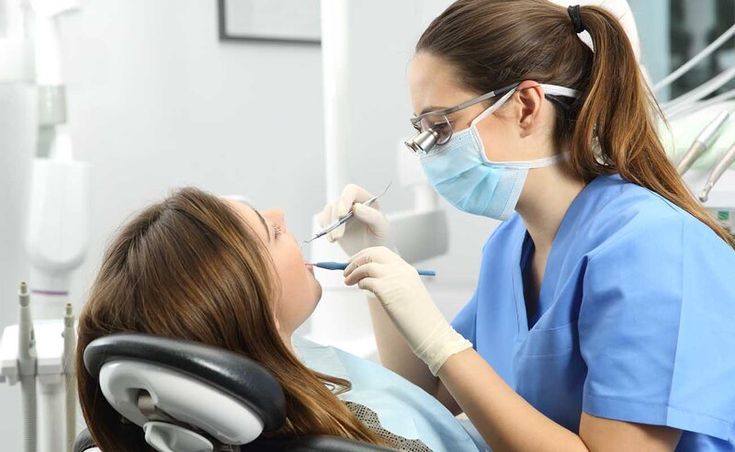
Your teeth are more than just a tool for chewing—they are an essential part of your overall health, confidence, and well-being. While many people focus on short-term fixes like whitening treatments or temporary fillings, the real key to a healthy smile lies in understanding the importance of long-term dental care. Maintaining consistent oral hygiene and regular dental visits can prevent serious dental problems, save money, and ensure your teeth remain strong and functional throughout your life. What Is Long-Term Dental Care? Long-term dental care refers to the consistent, proactive approach to oral health over an extended period. It goes beyond occasional brushing and emergency visits, encompassing daily oral hygiene, regular dental checkups, preventive treatments, and healthy lifestyle habits. By investing in long-term care, you can avoid the pain, discomfort, and high costs associated with advanced dental issues such as cavities, gum disease, or tooth loss. Why Long-Term Dental Care Matters The mouth is a gateway to overall health. Poor oral hygiene and neglect can contribute to a range of problems beyond cavities, including gum disease, infections, and even systemic issues such as heart disease or diabetes. Long-term dental care ensures that potential problems are caught early and managed before they become severe. Additionally, consistent dental care helps preserve your natural teeth and prevents the need for extensive restorative treatments, such as crowns, bridges, or implants. Maintaining oral health over time also improves self-confidence, social interactions, and quality of life. Benefits of Long-Term Dental Care 1. Prevention of Tooth Decay and Cavities Tooth decay is one of the most common oral health issues worldwide. Regular brushing, flossing, and professional cleanings remove plaque and bacteria, significantly reducing the risk of cavities. Preventive care, such as fluoride treatments and dental sealants, strengthens enamel and provides additional protection against decay. 2. Early Detection of Dental Issues Routine dental visits allow your dentist to identify problems early, such as minor cavities, gum inflammation, or early signs of oral cancer. Early intervention often means less invasive treatment, reduced pain, and lower costs. 3. Protection Against Gum Disease Gum disease, or periodontitis, can lead to tooth loss if left untreated. Long-term dental care includes professional cleanings, monitoring gum health, and teaching patients how to manage plaque buildup. By keeping gums healthy, you protect both your teeth and your overall health. 4. Maintaining Strong and Functional Teeth Consistent care helps prevent enamel erosion, cracks, and other forms of tooth damage. Strong teeth ensure that you can chew properly, speak clearly, and maintain a natural appearance. Avoiding tooth loss and extensive restorations improves long-term oral function and quality of life. 5. Cost Savings in the Long Run Investing in long-term dental care can save significant money. Treating minor issues early is far less expensive than dealing with advanced cavities, root canals, or implants. Preventive care reduces the likelihood of emergency dental visits and complex procedures. Key Practices for Long-Term Dental Care Maintaining a healthy smile over the long term requires a combination of daily habits and professional care. Here are some essential practices: The Role of Long-Term Dental Care Across Different Ages By emphasizing long-term dental care at every stage of life, you can ensure your teeth remain strong, functional, and beautiful well into older age. Your smile deserves expert care and personalized attention. With years of experience in advanced orthodontic treatments, Dr. Nizar Ishaq is dedicated to helping patients achieve healthier, more confident smiles through modern techniques and customized treatment plans. Whether you need routine dental care, smile correction, or specialized orthodontic solutions, booking a consultation directly with Dr. Nizar Ishaq ensures professional guidance and patient-focused care. Take the first step toward a healthier, brighter smile by scheduling your consultation today.
The Effects of Sugary Drinks on Your Teeth: What You Need to Know
Uncategorized

The Effects of Sugary Drinks on Your Teeth: What You Need to Know

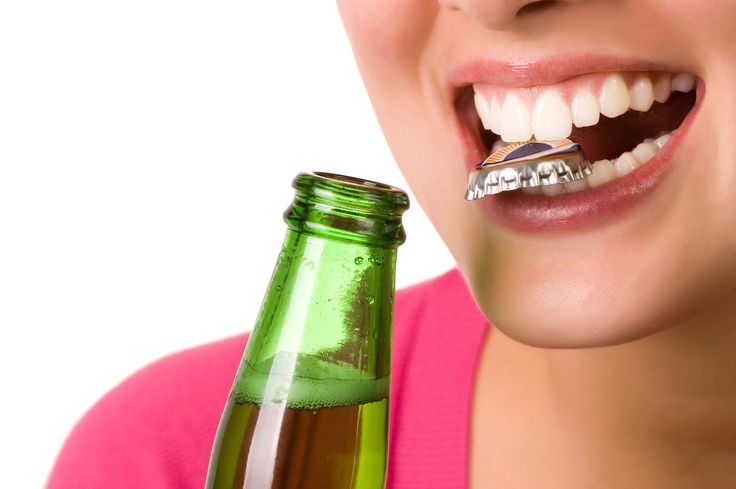
Sugary drinks have become a staple in modern diets. From sodas and energy drinks to flavored juices and sweetened teas, these beverages are widely consumed around the world. While they may provide a quick burst of energy or refreshment, sugary drinks have a significant impact on oral health. Understanding the effects of sugary drinks on your teeth is crucial to maintaining a healthy smile and preventing long-term dental problems. How Sugary Drinks Affect Your Teeth When you consume sugary drinks, the sugar content interacts with the bacteria naturally present in your mouth. These bacteria feed on sugar and produce acids as a byproduct. This acid attacks the enamel—the hard, protective outer layer of your teeth—leading to a process called demineralization. Over time, repeated exposure to acid can weaken enamel and result in tooth decay. Additionally, sugary drinks are often acidic themselves. Beverages like soda, sports drinks, and citrus juices can further erode enamel, increasing the risk of cavities and tooth sensitivity. Unlike solid foods, liquids spread quickly across your teeth, coating them and prolonging the exposure to sugar and acid. Common Dental Problems Caused by Sugary Drinks The Role of Frequency and Quantity Not all sugary drinks have the same impact on teeth. The frequency of consumption is often more important than the amount. Sipping sugary beverages throughout the day keeps your teeth in constant contact with sugar and acid, increasing the risk of decay. In contrast, consuming the same amount in one sitting allows your saliva to neutralize acids and rinse away sugars more effectively. Tips to Minimize the Damage Understanding the effects of sugary drinks on your teeth can help you make better choices and protect your oral health. Here are some tips: Healthier Alternatives Replacing sugary drinks with healthier options benefits both your teeth and overall health. Some alternatives include: Your smile deserves expert care and personalized attention. With years of experience in advanced orthodontic treatments, Dr. Nizar Ishaq is dedicated to helping patients achieve healthier, more confident smiles through modern techniques and customized treatment plans. Whether you need routine dental care, smile correction, or specialized orthodontic solutions, booking a consultation directly with Dr. Nizar Ishaq ensures professional guidance and patient-focused care. Take the first step toward a healthier, brighter smile by scheduling your consultation today.
How Technology Is Improving Dental Treatments
Uncategorized

How Technology Is Improving Dental Treatments

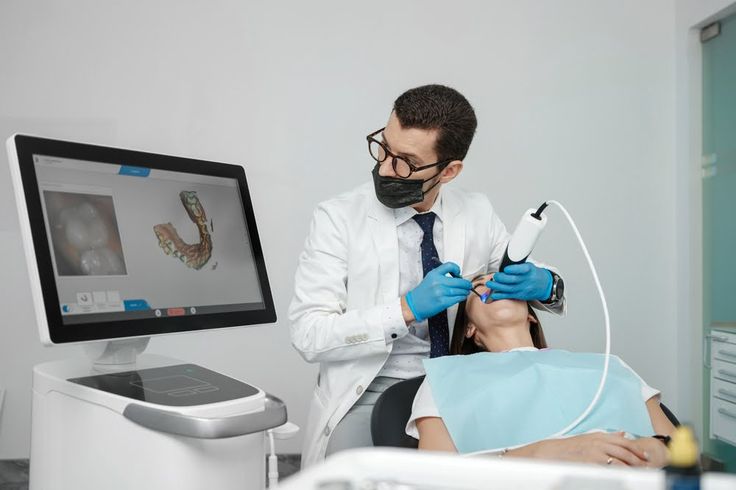
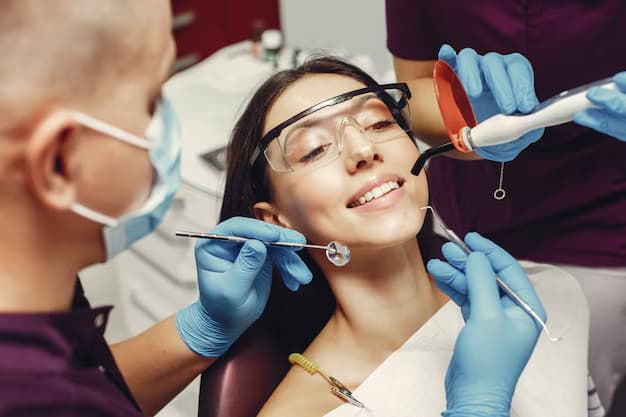
The field of dentistry has evolved significantly over the years, thanks to advancements in technology. Modern dental treatments are more precise, efficient, and comfortable than ever before. Understanding how technology is improving dental treatments highlights the ways patients benefit from innovative tools and techniques, making oral care safer and more effective. Digital Imaging for Accurate Diagnosis One of the most significant technological advancements in dentistry is digital imaging. X-rays and 3D scans allow dentists to view teeth, roots, and jaw structures in high detail. Unlike traditional X-rays, digital imaging exposes patients to less radiation and provides instant results, enabling quicker and more accurate diagnosis. With these tools, dentists can identify cavities, bone loss, impacted teeth, and other dental issues at an early stage. Early detection means treatments can be less invasive, reducing discomfort and improving outcomes. Computer-Aided Design and Manufacturing (CAD/CAM) CAD/CAM technology has revolutionized restorative dentistry. Dentists can now design crowns, bridges, and veneers digitally and produce them with precision using specialized milling machines. This technology often allows for same-day restorations, reducing the number of visits needed for patients. The result is not only faster treatment but also highly accurate and durable dental restorations that fit perfectly, improving both function and aesthetics. Laser Dentistry for Minimally Invasive Procedures Laser technology is increasingly used in dental treatments to provide minimally invasive procedures. Lasers can treat gum disease, remove decay, and even whiten teeth with less discomfort and faster healing times compared to traditional methods. For example, laser treatments reduce bleeding, swelling, and the need for sutures in soft tissue procedures. Patients experience less anxiety and quicker recovery, making dental visits more comfortable and efficient. Intraoral Cameras for Better Patient Understanding Intraoral cameras allow dentists to capture high-resolution images of the mouth, giving patients a clear view of their dental conditions. This technology improves communication between dentist and patient, helping individuals understand treatment plans and the need for interventions. When patients can see issues directly, such as cavities or misaligned teeth, they are more likely to follow recommendations and take proactive steps to maintain oral health. 3D Printing in Dentistry 3D printing technology is transforming dental treatments, particularly in orthodontics and prosthodontics. Custom aligners, dentures, and surgical guides can be produced quickly and accurately using 3D printers. This innovation reduces production time, increases precision, and allows for personalized dental appliances tailored to the unique anatomy of each patient. The result is faster, more comfortable, and more effective treatment. Improved Anesthesia and Pain Management Technological advancements have also enhanced anesthesia and pain management in dentistry. Computer-controlled local anesthetic delivery systems allow for precise administration, reducing discomfort during procedures. Additionally, sedation dentistry options, guided by advanced monitoring equipment, make complex treatments more tolerable for anxious or sensitive patients. These developments increase patient comfort and make dental care accessible to a wider population. Tele-dentistry for Remote Access Tele-dentistry is an emerging technology that allows patients to consult with dentists remotely. Virtual checkups, consultations, and follow-ups reduce the need for in-person visits while providing access to professional guidance. Tele-dentistry is especially beneficial for routine screenings, monitoring orthodontic progress, and providing timely advice for minor issues, ensuring patients receive continuous care even when traveling or in remote areas. Enhanced Sterilization and Safety Protocols Advanced sterilization technology and infection control systems have improved safety in dental clinics. Autoclaves, UV sterilizers, and digital tracking of instruments ensure that all tools are thoroughly cleaned and safe for use. These innovations reduce the risk of cross-contamination and infections, providing patients with peace of mind and maintaining the highest standards of clinical hygiene. Artificial Intelligence in Dentistry Artificial intelligence (AI) is beginning to play a role in diagnostic support, treatment planning, and patient management. AI can analyze X-rays, identify patterns, and predict potential dental issues, assisting dentists in making accurate decisions. AI-driven tools also streamline appointment scheduling, patient record management, and treatment monitoring, improving efficiency and patient experience. Your smile deserves expert care and personalized attention. With years of experience in advanced orthodontic treatments, Dr. Nizar Ishaq is dedicated to helping patients achieve healthier, more confident smiles through modern techniques and customized treatment plans. Whether you need routine dental care, smile correction, or specialized orthodontic solutions, booking a consultation directly with Dr. Nizar Ishaq ensures professional guidance and patient-focused care. Take the first step toward a healthier, brighter smile by scheduling your consultation today.
How Healthy Teeth Improve Quality of Life
Uncategorized

How Healthy Teeth Improve Quality of Life

Our teeth are more than just a tool for chewing—they are essential for overall health, confidence, and quality of life. Maintaining healthy teeth affects not only physical well-being but also social interactions, mental health, and daily comfort. Understanding how healthy teeth improve quality of life highlights why regular dental care, proper hygiene, and preventive measures are so important. Physical Health Benefits of Healthy Teeth Healthy teeth play a fundamental role in maintaining overall physical health. Strong, well-maintained teeth allow for efficient chewing, which is the first step in the digestive process. Proper chewing breaks down food into smaller pieces, making nutrients more accessible for absorption and reducing digestive strain. Additionally, healthy teeth and gums reduce the risk of oral infections and systemic health problems. Gum disease, if left untreated, has been linked to conditions like heart disease, diabetes, respiratory infections, and complications during pregnancy. By keeping teeth healthy, individuals also protect their overall bodily health. Preventing Pain and Discomfort Dental problems such as cavities, tooth decay, and gum disease can cause significant pain and discomfort. Chronic tooth pain may interfere with eating, speaking, and sleeping, affecting daily life. Maintaining healthy teeth prevents these issues, ensuring comfort and the ability to enjoy food, communicate effectively, and rest properly. Regular dental checkups, preventive care, and good oral hygiene allow minor problems to be detected early, avoiding more serious and painful complications. Boosting Confidence and Social Interactions A healthy smile significantly impacts self-esteem and confidence. People with clean, well-aligned teeth are more likely to smile freely, interact socially, and present themselves confidently in professional and personal situations. Conversely, dental issues such as discoloration, missing teeth, or misalignment can lead to embarrassment, self-consciousness, and social anxiety. By maintaining healthy teeth, individuals can enhance their self-image and engage fully in social and professional life. Supporting Mental and Emotional Well-Being Healthy teeth contribute to emotional well-being by reducing stress and anxiety related to oral health concerns. Knowing that your teeth are strong and well-maintained alleviates worries about pain, bad breath, or costly dental procedures. Moreover, a confident smile can improve mood and foster positive interactions, which in turn boosts mental health. This highlights the connection between oral health and psychological well-being, emphasizing the holistic impact of maintaining strong teeth. Enhancing Speech and Communication Teeth play a critical role in speech. Missing, damaged, or misaligned teeth can affect pronunciation, clarity, and overall communication. Healthy teeth allow for clear articulation, boosting confidence in public speaking, social interactions, and professional environments. For children, maintaining healthy teeth from an early age ensures proper speech development and prevents speech impediments that could impact learning and communication skills. Facilitating Healthy Nutrition Strong, healthy teeth enable individuals to eat a wide variety of foods, including fruits, vegetables, lean proteins, and whole grains. Missing or damaged teeth may make chewing certain foods difficult or uncomfortable, leading to dietary restrictions that can affect overall nutrition. By maintaining healthy teeth, individuals can enjoy a balanced diet, obtain essential nutrients, and support general health, reinforcing the link between oral health and overall wellness. Reducing Long-Term Dental Costs Investing in healthy teeth through regular dental care and preventive measures helps avoid costly procedures later. Routine cleanings, checkups, and early intervention prevent cavities, gum disease, and complex restorative treatments such as root canals, crowns, or implants. Reducing dental expenses and avoiding emergency procedures not only saves money but also reduces stress, contributing to a better quality of life. Promoting Lifelong Oral Health Healthy teeth in childhood and adolescence set the stage for lifelong oral wellness. Teaching proper brushing, flossing, and dietary habits early ensures that individuals maintain strong teeth and gums into adulthood. This reduces the likelihood of tooth loss, dental pain, and oral complications later in life. A focus on preventive dental care across all life stages creates a lasting impact, allowing individuals to enjoy the full benefits of healthy teeth throughout their lifetime. Your smile deserves expert care and personalized attention. With years of experience in advanced orthodontic treatments, Dr. Nizar Ishaq is dedicated to helping patients achieve healthier, more confident smiles through modern techniques and customized treatment plans. Whether you need routine dental care, smile correction, or specialized orthodontic solutions, booking a consultation directly with Dr. Nizar Ishaq ensures professional guidance and patient-focused care. Take the first step toward a healthier, brighter smile by scheduling your consultation today.
 The Impact of Diet on Dental Health
Uncategorized

 The Impact of Diet on Dental Health

Oral health is closely linked to what we eat and drink. While regular brushing and flossing are essential for maintaining strong teeth and healthy gums, diet plays an equally significant role in preventing dental problems. Understanding the impact of diet on dental health can help individuals make better food choices that support both oral hygiene and overall well-being. How Diet Affects Your Teeth and Gums The foods and beverages we consume directly influence the health of our teeth and gums. Sugary and acidic foods can accelerate tooth decay, weaken enamel, and contribute to gum disease. On the other hand, nutrient-rich foods provide essential vitamins and minerals that strengthen teeth, support gum health, and protect against infections. Dental health is not just about avoiding sweets; it’s about maintaining a balanced diet that encourages strong teeth, healthy gums, and a clean oral environment. Sugar and Tooth Decay Sugar is one of the leading contributors to dental problems. When we consume sugary foods or drinks, bacteria in the mouth feed on the sugar and produce acids. These acids attack tooth enamel, creating cavities over time. Frequent snacking on sweets or sipping sugary beverages throughout the day prolongs acid exposure, increasing the risk of decay. Limiting added sugars, reading food labels, and choosing healthier alternatives like fruits or unsweetened snacks can significantly reduce the risk of cavities and improve long-term oral health. Acidic Foods and Enamel Erosion Acidic foods and drinks, such as citrus fruits, soda, and certain fruit juices, can erode tooth enamel when consumed excessively. Enamel is the protective outer layer of teeth, and its erosion leads to increased sensitivity, discoloration, and a higher likelihood of cavities. To protect enamel, it is recommended to consume acidic foods in moderation, rinse the mouth with water afterward, and avoid brushing immediately after eating, as enamel softened by acid can be damaged more easily. Nutrients That Promote Dental Health Certain nutrients are essential for maintaining strong teeth and healthy gums: A balanced diet rich in these nutrients supports overall oral health, making teeth more resilient to damage and infection. The Role of Hydration Water is a critical component of dental health. It helps rinse away food particles and sugars, neutralizes acids produced by bacteria, and promotes saliva production. Saliva is essential for maintaining a healthy mouth, as it contains enzymes that protect teeth, aid in digestion, and prevent bacterial overgrowth. Drinking plenty of water, especially after meals, is one of the simplest yet most effective ways to support oral health. Foods That Protect Teeth Not all foods pose a risk to dental health. Some can actively protect teeth and gums: Including these foods in a daily diet can enhance oral hygiene and prevent common dental problems. Habits That Can Harm Teeth Besides food choice, eating habits influence dental health. Frequent snacking, grazing, or sipping sugary beverages throughout the day increases acid exposure, while chewing sugary gum or consuming sticky candies can trap sugar on teeth longer. Establishing structured meal times, avoiding prolonged snacking, and opting for teeth-friendly snacks can reduce the risk of cavities and gum disease. Your smile deserves expert care and personalized attention. With years of experience in advanced orthodontic treatments, Dr. Nizar Ishaq is dedicated to helping patients achieve healthier, more confident smiles through modern techniques and customized treatment plans. Whether you need routine dental care, smile correction, or specialized orthodontic solutions, booking a consultation directly with Dr. Nizar Ishaq ensures professional guidance and patient-focused care. Take the first step toward a healthier, brighter smile by scheduling your consultation today.
The Importance of Early Dental Evaluation for Children
Uncategorized

The Importance of Early Dental Evaluation for Children

Good oral health begins in childhood, and establishing a foundation for lifelong dental care starts with early evaluation. Many parents may assume that dental visits are only necessary once children have a full set of teeth, but early dental checkups play a crucial role in preventing problems and promoting healthy habits. Understanding the importance of early dental evaluation for children helps parents ensure their child’s teeth, gums, and overall oral health are on the right track. Why Early Dental Evaluation Matters Early dental evaluation allows dentists to monitor a child’s oral development and detect potential issues before they become serious. Problems like cavities, misaligned teeth, or jaw growth abnormalities can be identified and addressed in their initial stages. The earlier a problem is spotted, the easier and less invasive it is to treat. The American Academy of Pediatric Dentistry recommends that children have their first dental visit by their first birthday or within six months after the first tooth erupts. This early introduction to the dentist sets the stage for preventive care and positive dental experiences. Preventing Tooth Decay from the Start Tooth decay is one of the most common childhood dental problems. Babies and toddlers are particularly vulnerable because their enamel is thinner and more susceptible to acid attacks from sugary foods or prolonged bottle-feeding. Early dental evaluations allow dentists to assess risk factors for cavities and provide guidance on feeding habits, oral hygiene, and fluoride use. Preventive measures, such as dental sealants and fluoride treatments, can protect developing teeth from decay. Addressing tooth decay early ensures that children maintain strong, healthy teeth, avoiding pain, infection, and more complex treatments later. Monitoring Oral Development Children’s mouths undergo significant growth and changes as they transition from primary to permanent teeth. Early dental evaluations help monitor the development of teeth and jaw alignment. Dentists can identify issues such as crowding, bite problems, or delayed tooth eruption, and provide interventions when necessary. Timely orthodontic assessments during childhood can prevent severe alignment issues in the future, making treatment shorter, less complex, and more effective. Monitoring oral development early sets the foundation for a healthy, functional bite and a confident smile. Establishing Healthy Habits Early dental visits also teach children and parents about proper oral hygiene practices. Dentists can demonstrate the correct brushing and flossing techniques, suggest age-appropriate toothbrushes and toothpaste, and explain the importance of reducing sugary snacks and drinks. Learning healthy habits early helps children take responsibility for their own dental care as they grow. Parents also gain knowledge on how to support their child’s oral health at home, reinforcing preventive behaviors that can last a lifetime. Building Comfort and Reducing Dental Anxiety Introducing children to the dental office early helps them become comfortable with the environment, procedures, and dental professionals. Early positive experiences reduce fear and anxiety, which are common barriers to regular dental visits. Children who are familiar with the dental office and trust their dentist are more likely to maintain consistent checkups, ensuring ongoing preventive care and early problem detection. Building this comfort early encourages a lifetime of proactive oral health. Detecting Other Health Issues Early dental evaluations can also reveal signs of broader health concerns. For example, certain oral symptoms may indicate nutritional deficiencies, developmental issues, or even systemic conditions. Dentists can coordinate care with pediatricians or other healthcare professionals if an underlying issue is suspected. By addressing these concerns early, dental evaluations contribute to overall child health, highlighting the interconnectedness of oral health and general well-being. Preventing Costly and Invasive Treatments Addressing dental issues early often reduces the need for extensive or invasive treatments later. Minor cavities can be treated with simple fillings, and early orthodontic interventions can prevent the need for braces or surgery in adolescence. Investing in early dental evaluations is cost-effective in the long run, preventing expensive procedures and minimizing discomfort for the child. Tips for Parents To maximize the benefits of early dental evaluation, parents should: Your smile deserves expert care and personalized attention. With years of experience in advanced orthodontic treatments, Dr. Nizar Ishaq is dedicated to helping patients achieve healthier, more confident smiles through modern techniques and customized treatment plans. Whether you need routine dental care, smile correction, or specialized orthodontic solutions, booking a consultation directly with Dr. Nizar Ishaq ensures professional guidance and patient-focused care. Take the first step toward a healthier, brighter smile by scheduling your consultation today.
How to Protect Your Tooth Enamel for a Healthy Smile
Uncategorized

How to Protect Your Tooth Enamel for a Healthy Smile

Your tooth enamel is the hardest substance in your body and serves as the protective layer for your teeth. It shields your teeth from decay, sensitivity, and damage caused by daily wear and tear. However, once enamel is worn away, it cannot naturally regenerate, making protection essential. Understanding how to protect your tooth enamel for a healthy smile can help you maintain strong, resilient teeth and prevent long-term dental problems. What Is Tooth Enamel and Why Is It Important? Tooth enamel is the thin, outer layer of your teeth that covers the dentin and protects the inner pulp. It acts as a barrier against acids, bacteria, and physical damage from chewing. Healthy enamel is critical for: Since enamel cannot grow back, preserving it is a key aspect of lifelong dental care. Avoid Acidic and Sugary Foods Acidic and sugary foods and beverages are among the leading causes of enamel erosion. Acid weakens the enamel, making it more susceptible to decay, while sugar feeds bacteria that produce acids in the mouth. To protect your enamel: Being mindful of your diet is one of the simplest yet most effective ways to safeguard enamel. Practice Proper Brushing Techniques Brushing is essential for oral health, but improper brushing can damage enamel. To brush effectively: Correct brushing habits protect enamel while effectively removing plaque and debris. Floss Daily Flossing complements brushing by cleaning between teeth and along the gumline. Plaque buildup in these areas can lead to cavities and gum disease, which indirectly affects enamel health. Daily flossing reduces the risk of decay, helping preserve the integrity of your enamel over time. Use Fluoride Treatments Fluoride is a mineral that strengthens enamel and helps prevent tooth decay. Professional fluoride treatments from your dentist or using fluoride toothpaste and mouthwash at home can: Incorporating fluoride into your dental routine is a simple and effective step to enhance enamel protection. Avoid Harmful Habits Certain habits can wear down enamel faster. Protect your teeth by avoiding: Breaking these habits reduces mechanical wear and helps maintain a healthy enamel layer. Stay Hydrated and Promote Saliva Production Saliva is essential for enamel protection as it neutralizes acids, washes away food particles, and provides minerals to repair early enamel damage. To maintain adequate saliva flow: A well-hydrated mouth naturally defends against enamel erosion. Regular Dental Check-Ups Even with excellent home care, professional dental visits are crucial for protecting enamel. Dentists can: Routine dental visits ensure problems are caught early, preventing irreversible enamel damage. Treat Conditions That Threaten Enamel Certain conditions, such as acid reflux, dry mouth, or frequent vomiting, can increase the risk of enamel erosion. Managing these conditions with the help of your healthcare provider or dentist is essential. For instance, treating acid reflux can reduce acid exposure to teeth, while addressing dry mouth ensures your enamel remains protected. Your smile deserves expert care and personalized attention. With years of experience in advanced orthodontic treatments, Dr. Nizar Ishaq is dedicated to helping patients achieve healthier, more confident smiles through modern techniques and customized treatment plans. Whether you need routine dental care, smile correction, or specialized orthodontic solutions, booking a consultation directly with Dr. Nizar Ishaq ensures professional guidance and patient-focused care. Take the first step toward a healthier, brighter smile by scheduling your consultation today.
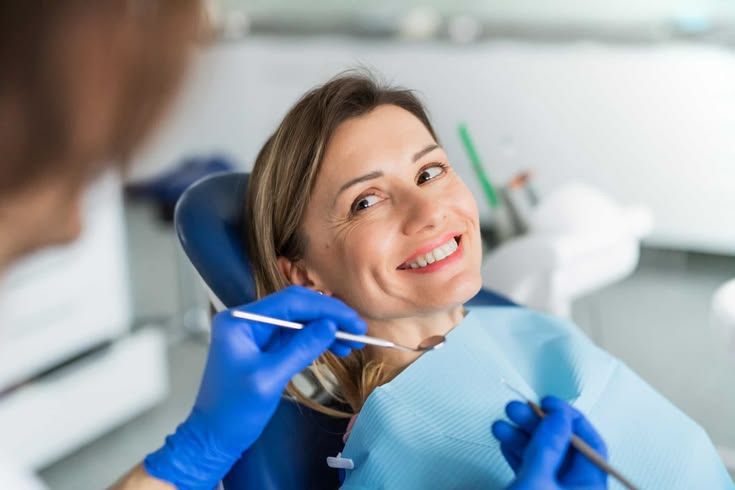
How to Keep Your Teeth Healthy as You Age: A Comprehensive Guide
Uncategorized

How to Keep Your Teeth Healthy as You Age: A Comprehensive Guide

Maintaining healthy teeth is important at every stage of life, but as we age, oral care becomes even more critical. Aging can bring unique challenges to dental health, including gum recession, enamel wear, dry mouth, and an increased risk of cavities and tooth loss. Understanding how to keep your teeth healthy as you age helps prevent complications and ensures a lifetime of strong, functional teeth. Why Dental Health Changes with Age Several factors contribute to changes in oral health over time. Natural wear and tear can weaken enamel, making teeth more prone to cavities. Gum tissues may recede, exposing tooth roots to decay and sensitivity. Certain medications commonly taken by older adults can reduce saliva flow, leading to dry mouth and increased risk of infections. Additionally, chronic health conditions like diabetes, osteoporosis, and heart disease can affect oral health, making preventive care essential. Maintain a Consistent Oral Hygiene Routine A strong oral hygiene routine is the foundation of healthy teeth at any age. This includes: Consistency is key. Even minor lapses in daily oral care can lead to significant dental problems over time. Regular Dental Check-Ups Visiting the dentist regularly is crucial for aging adults. Routine dental exams allow professionals to: Regular dental visits ensure small issues are addressed before they become serious, reducing the risk of tooth loss and other complications. Manage Gum Health Gum disease becomes more prevalent with age and can lead to tooth loss if untreated. To maintain gum health: Healthy gums not only support teeth but also protect against bacteria entering the bloodstream, which can impact overall health. Protect Teeth from Wear and Damage As enamel wears down over time, teeth become more sensitive and prone to damage. To protect them: Preventive measures help maintain the structure and strength of your teeth, reducing the need for restorative treatments later. Maintain a Balanced Diet Nutrition plays a vital role in dental health. Foods rich in calcium, vitamin D, and phosphorus strengthen teeth and bones, while fibrous fruits and vegetables stimulate saliva production and naturally clean teeth. Limit sugary and acidic foods and beverages, which contribute to decay. Drinking plenty of water also helps wash away food particles and keeps saliva flowing, especially important for older adults prone to dry mouth. Manage Dry Mouth Dry mouth is common in older adults and can increase the risk of cavities and infections. Causes include certain medications, medical conditions, and reduced saliva production. To combat dry mouth: Maintaining adequate saliva is critical for natural protection against decay and bacteria. Address Dental Issues Promptly Don’t ignore dental discomfort or changes in your mouth. Sensitivity, persistent pain, loose teeth, or swelling can indicate serious problems that require immediate attention. Early intervention prevents complications and preserves your teeth and gums. Lifestyle Habits for Healthy Teeth Several lifestyle choices support long-term oral health: Healthy habits complement good oral hygiene and professional care, ensuring a stronger, more resilient smile. Your smile deserves expert care and personalized attention. With years of experience in advanced orthodontic treatments, Dr. Nizar Ishaq is dedicated to helping patients achieve healthier, more confident smiles through modern techniques and customized treatment plans. Whether you need routine dental care, smile correction, or specialized orthodontic solutions, booking a consultation directly with Dr. Nizar Ishaq ensures professional guidance and patient-focused care. Take the first step toward a healthier, brighter smile by scheduling your consultation today.

The Importance of Regular Dental Visits for Optimal Oral Health
Uncategorized

The Importance of Regular Dental Visits for Optimal Oral Health

Maintaining a healthy smile is more than just brushing and flossing daily. Oral health is intricately linked to overall well-being, and preventive care plays a crucial role in ensuring that your teeth and gums stay strong and healthy. This is why understanding the importance of regular dental visits for optimal oral health is essential for everyone, from children to adults. Early Detection of Dental Issues One of the primary reasons why regular dental visits are vital is the early detection of oral problems. Many dental conditions, including cavities, gum disease, and oral infections, develop silently and may not show symptoms until they become severe. By attending routine dental check-ups, dentists can identify these issues in their early stages, allowing for prompt and less invasive treatment. Early intervention often prevents complex procedures such as root canals, tooth extractions, or extensive restorations, saving both time and money. Preventing Gum Disease Gum disease, or periodontal disease, is a common condition that can lead to tooth loss if left untreated. Its early stage, known as gingivitis, may cause mild bleeding or inflammation in the gums. Regular dental visits allow professionals to detect these early signs and provide treatments or guidance to prevent the condition from progressing to periodontitis. Professional cleaning and monitoring of gum health help maintain strong supporting structures for teeth, which is a critical aspect of long-term oral health. Professional Cleaning and Plaque Removal Even with diligent brushing and flossing, plaque and tartar can accumulate in areas that are hard to reach at home. Over time, these deposits contribute to cavities, gum disease, and bad breath. During routine dental visits, hygienists provide professional cleaning that removes plaque and tartar buildup, leaving teeth polished and healthier. Additionally, dentists can offer personalized advice on brushing and flossing techniques, ensuring that your daily oral care routine is effective. Monitoring Oral Health Changes Your oral health is not static—it changes over time due to aging, lifestyle habits, and medical conditions. Regular dental visits provide the opportunity to monitor these changes and catch potential problems early. Dentists can detect enamel erosion, bite misalignment, or early signs of oral cancer during routine check-ups. Timely detection allows for more effective treatments and can prevent minor issues from developing into serious complications. Connection Between Oral and Overall Health Oral health is closely linked to overall systemic health. Poor oral hygiene and untreated dental issues can increase the risk of heart disease, diabetes, respiratory infections, and complications during pregnancy. By prioritizing regular dental visits, individuals not only maintain their teeth and gums but also contribute to their overall well-being. Addressing oral health issues promptly reduces the likelihood of them affecting other areas of the body. Personalized Guidance and Education Dental appointments are an excellent opportunity for education and guidance tailored to your specific needs. Dentists can recommend oral care products, provide tips for proper brushing and flossing, and advise on diet and lifestyle habits that affect dental health. This personalized attention empowers patients to take proactive measures and prevent dental problems before they occur. Cost-Effective Preventive Care Some people avoid regular dental visits because of perceived costs. However, preventive care is far more cost-effective than treating advanced dental issues. Early treatment of minor cavities or gum problems is less invasive and less expensive than managing severe decay, tooth loss, or oral infections. Investing in routine dental care ultimately saves both money and discomfort over time. The Benefits for Children and Teens For children and adolescents, regular dental visits are especially important. Early check-ups help establish good oral hygiene habits and allow dentists to monitor the development of teeth and jaws. Dentists can also identify potential orthodontic issues, such as misaligned teeth or bite problems, early on. Establishing a routine of regular dental care from a young age sets the foundation for lifelong oral health. Overcoming Dental Anxiety Many people avoid the dentist due to fear or anxiety, but consistent visits help reduce stress and build familiarity with dental care. Modern dental practices use gentle techniques, sedation options, and patient-focused approaches to ensure comfort. Over time, regular dental visits can transform dental care from a source of anxiety into a manageable and routine part of maintaining overall health. Your smile deserves expert care and personalized attention. With years of experience in advanced orthodontic treatments, Dr. Nizar Ishaq is dedicated to helping patients achieve healthier, more confident smiles through modern techniques and customized treatment plans. Whether you need routine dental care, smile correction, or specialized orthodontic solutions, booking a consultation directly with Dr. Nizar Ishaq ensures professional guidance and patient-focused care. Take the first step toward a healthier, brighter smile by scheduling your consultation today.

Scroll to Top