
Author name: Content

Blog

How to Build a Long-Term Oral Care Plan

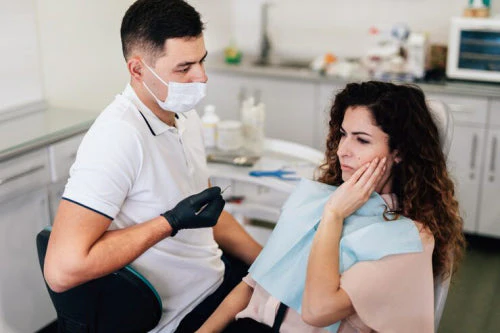
Good oral health is not achieved through occasional brushing or random dental visits—it requires a consistent, well-structured routine. A long-term oral care plan helps you maintain strong teeth, healthy gums, and a confident smile throughout your life. It also reduces the risk of costly dental problems in the future. Understanding how to build a long-term oral care plan allows you to take control of your dental health with simple, sustainable habits. Why a Long-Term Oral Care Plan Matters Oral health is directly linked to overall health. Poor dental hygiene can contribute to issues such as gum disease, tooth loss, and even systemic conditions like heart disease and diabetes complications. A structured plan helps you: Consistency is the key to lasting results. Start with a Strong Daily Routine The foundation of any oral care plan is daily hygiene. Simple habits performed consistently have the biggest impact. Brush Twice Daily Floss Once a Day Flossing removes plaque and food particles from areas a toothbrush cannot reach. This helps prevent cavities between teeth and gum inflammation. Use Mouthwash if Needed Antibacterial or fluoride mouthwash can provide extra protection against bacteria and strengthen enamel. Focus on Preventive Dental Care Prevention is more effective than treatment. Regular dental visits help identify issues early before they become serious. A strong preventive plan includes: Routine care reduces the risk of major dental procedures in the future. Maintain a Tooth-Friendly Diet What you eat plays a major role in your oral health. A balanced diet supports strong teeth and healthy gums. Include: Avoid or limit: Healthy eating habits protect enamel and reduce plaque buildup. Address Dental Problems Early Ignoring minor dental issues can lead to serious complications. A long-term oral care plan should always include early action. Watch for signs like: Early treatment is always simpler, less expensive, and more effective. Use the Right Oral Care Tools Choosing the correct tools improves your daily routine and ensures better cleaning. Essential tools include: Replace toothbrushes every 3–4 months for best results. Manage Lifestyle Habits Certain lifestyle choices can significantly affect oral health over time. To improve your long-term plan: Healthy habits support both teeth and gums. Be Consistent with Orthodontic or Special Care If you wear braces, retainers, or have specific dental conditions, your care plan should include extra steps. Special care ensures treatment success and prevents setbacks. Track Your Oral Health Progress Monitoring your oral health helps you stay consistent and motivated. You can: Small tracking habits improve long-term discipline. Build a Family-Oriented Oral Care Routine If you have children or family members, encouraging shared oral care habits can create a supportive environment. A family approach strengthens long-term consistency. Stay Updated with Dental Advice Dental care techniques and products continue to improve over time. Staying informed helps you upgrade your routine when needed. Knowledge helps you make better decisions for your oral health. Your smile deserves expert care and personalized attention. With years of experience in advanced orthodontic treatments, Dr. Nizar Ishaq is dedicated to helping patients achieve healthier, more confident smiles through modern techniques and customized treatment plans. Whether you need routine dental care, smile correction, or specialized orthodontic solutions, booking a consultation directly with Dr. Nizar Ishaq ensures professional guidance and patient-focused care. Take the first step toward a healthier, brighter smile by scheduling your consultation today.
Blog

How to Clean Braces or Retainers Properly

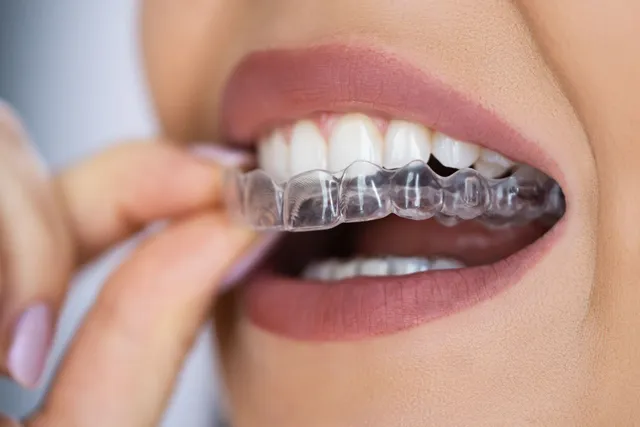
Maintaining good oral hygiene becomes even more important when you have braces or retainers. These orthodontic appliances can trap food particles and bacteria, making cleaning more challenging than usual. Without proper care, this can lead to plaque buildup, bad breath, stains, and even tooth decay. Understanding how to clean braces or retainers properly ensures your treatment stays effective and your smile remains healthy throughout the orthodontic journey. Why Cleaning Braces and Retainers Is Important Braces and retainers create small spaces where food and bacteria can easily get stuck. If not cleaned properly, this can lead to several oral health problems. Poor cleaning may result in: Good cleaning habits protect both your teeth and orthodontic appliances. How to Clean Braces Properly Braces require extra care because of their brackets and wires. Cleaning should be done carefully but consistently. Brush After Every Meal Brushing is the most important step in maintaining braces hygiene. Make sure to clean all surfaces, including front, back, and chewing areas of teeth. Use Interdental Brushes Interdental brushes are small tools designed to clean between brackets and wires. They help: Use them gently to avoid damaging wires. Floss Carefully Flossing with braces can be tricky, but it is essential for gum health. You can use: Floss at least once a day to remove debris between teeth. Rinse with Mouthwash Using an antibacterial or fluoride mouthwash helps reduce bacteria and strengthen enamel. Benefits include: Rinse once or twice daily after brushing. How to Clean Retainers Properly Retainers also require regular cleaning because they sit directly on your teeth and can collect bacteria and plaque. Rinse After Removal Every time you remove your retainer: This simple step prevents buildup. Brush Gently Use a soft toothbrush and mild, non-abrasive soap to clean retainers. Use Retainer Cleaning Solutions Special cleaning tablets or solutions can help deep clean retainers. They help: Soak your retainer as directed by your dentist. Store Properly When not in use, always store retainers in a protective case. This prevents: Never wrap retainers in tissues, as they can easily be thrown away by mistake. Foods and Habits to Avoid Certain foods and habits can make cleaning braces or retainers more difficult. Avoid: These can stain or damage orthodontic appliances. Maintain Strong Daily Oral Hygiene Cleaning braces or retainers is only part of the process. Overall oral hygiene plays a big role in keeping your mouth healthy. Make sure to: A clean mouth supports effective orthodontic treatment. Common Mistakes to Avoid Many people unknowingly damage their braces or retainers through improper care. Avoid: Correct habits ensure better results and fewer complications. When to See a Dentist or Orthodontist If you notice persistent issues, it’s important to seek professional help. Watch for: Regular checkups help ensure everything stays on track. Your smile deserves expert care and personalized attention. With years of experience in advanced orthodontic treatments, Dr. Nizar Ishaq is dedicated to helping patients achieve healthier, more confident smiles through modern techniques and customized treatment plans. Whether you need routine dental care, smile correction, or specialized orthodontic solutions, booking a consultation directly with Dr. Nizar Ishaq ensures professional guidance and patient-focused care. Take the first step toward a healthier, brighter smile by scheduling your consultation today.

Blog

How Certain Medications Affect Your Mouth

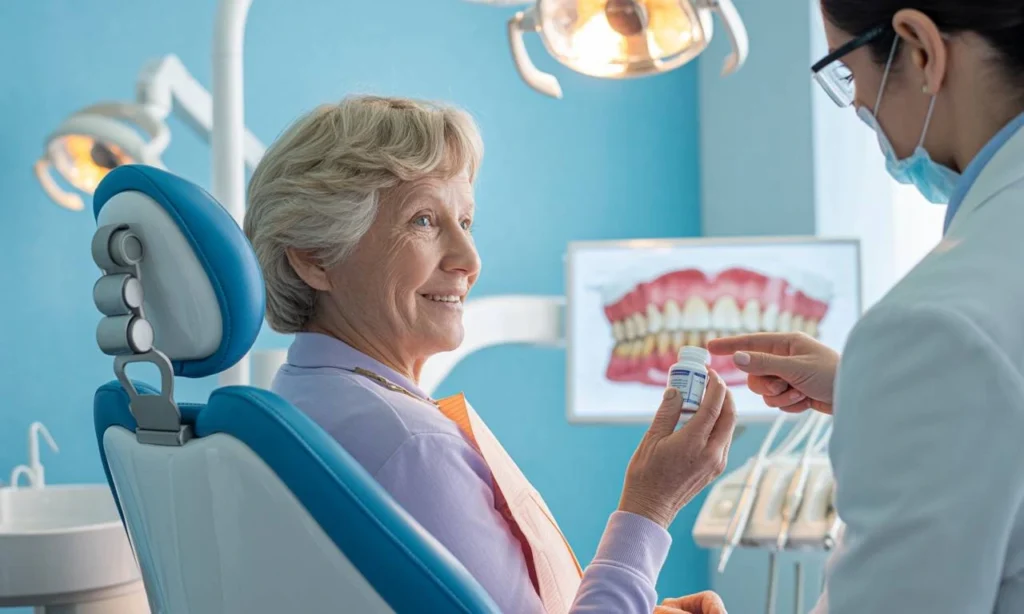
Medications play a vital role in treating many health conditions, but they can also have side effects that impact oral health. From dry mouth to gum changes, many common prescriptions and over-the-counter drugs influence the way your mouth feels and functions. Understanding how certain medications affect your mouth helps you recognize symptoms early and take steps to protect your teeth and gums while continuing necessary treatments. Why Medications Impact Oral Health Many medications interact with saliva production, gum tissues, or the natural balance of bacteria in the mouth. Since saliva is essential for cleaning teeth and neutralizing acids, any reduction or change in its flow can affect oral health significantly. Some medications may also directly influence gum tissue growth or alter taste perception, leading to discomfort or changes in eating habits. Dry Mouth (Xerostomia) One of the most common side effects of medications is dry mouth, also known as xerostomia. It occurs when saliva production decreases, leaving the mouth feeling dry, sticky, or uncomfortable. Medications that may cause dry mouth include: Effects of dry mouth include: Without enough saliva, bacteria can build up more easily, increasing the risk of tooth decay and gum disease. Changes in Taste Some medications can alter the way food tastes. This condition, known as dysgeusia, may cause a metallic, bitter, or reduced sense of taste. Common causes include: These changes may reduce appetite or lead to poor nutrition if food becomes less enjoyable. Gum Swelling and Overgrowth Certain medications can affect gum tissue, causing it to become swollen or enlarged. This condition is known as drug-induced gingival overgrowth. Medications linked to this issue include: Symptoms include: Good oral hygiene and regular dental visits can help manage this condition. Increased Risk of Tooth Decay Medications that reduce saliva or change its composition can increase the risk of cavities. Saliva normally helps wash away food particles and neutralize acids, so reduced saliva allows bacteria to thrive. This can lead to: Patients on long-term medication should pay extra attention to oral hygiene. Oral Infections and Ulcers Some medications can weaken the immune response or irritate oral tissues, making the mouth more vulnerable to infections or ulcers. Possible issues include: These conditions can cause discomfort and may require medical or dental treatment. Bleeding Gums and Sensitivity Certain medications, especially blood thinners, can increase the likelihood of gum bleeding during brushing or flossing. You may notice: While this does not always indicate poor oral health, it should be monitored closely. How to Protect Your Mouth While on Medication Even if medications affect oral health, there are several ways to reduce side effects and maintain a healthy mouth. 1. Stay Hydrated Drinking plenty of water helps combat dry mouth and supports saliva production. 2. Maintain Strong Oral Hygiene Brush twice daily, floss regularly, and use fluoride toothpaste to reduce cavity risk. 3. Use Saliva Substitutes For dry mouth, saliva-enhancing sprays or sugar-free chewing gum can help stimulate natural saliva flow. 4. Avoid Sugary Foods and Drinks Sugar increases the risk of cavities, especially when saliva levels are low. 5. Visit Your Dentist Regularly Routine checkups help detect early signs of medication-related oral issues. 6. Inform Your Dentist About Medications Always share your medical history so your dentist can tailor preventive care accordingly. When to Seek Professional Help If you notice persistent changes in your mouth after starting a new medication, it’s important to seek dental or medical advice. Watch for: Early intervention helps prevent more serious complications. Your smile deserves expert care and personalized attention. With years of experience in advanced orthodontic treatments, Dr. Nizar Ishaq is dedicated to helping patients achieve healthier, more confident smiles through modern techniques and customized treatment plans. Whether you need routine dental care, smile correction, or specialized orthodontic solutions, booking a consultation directly with Dr. Nizar Ishaq ensures professional guidance and patient-focused care. Take the first step toward a healthier, brighter smile by scheduling your consultation today.
Blog

Understanding Thumb Sucking and Dental Health

Thumb sucking is a natural reflex in many infants and young children. It often provides comfort, helps with self-soothing, and is completely normal in early childhood. However, when the habit continues for too long, it can begin to affect oral development and overall dental health. Understanding thumb sucking and dental health is important for parents who want to ensure their child’s teeth and jaw develop properly without long-term complications. Why Do Children Suck Their Thumb? Thumb sucking is a self-comforting behavior that usually starts in infancy. It can be triggered by various emotional and developmental factors. Common reasons include: For most children, the habit naturally fades as they grow older and develop other coping mechanisms. When Does Thumb Sucking Become a Concern? While thumb sucking is harmless in early years, prolonged habits beyond the age of 4–5 can start affecting dental and jaw development. It becomes a concern when: At this stage, it may begin to influence how teeth and jaws grow. Effects of Thumb Sucking on Teeth Alignment One of the most noticeable impacts of prolonged thumb sucking is changes in tooth alignment. The constant pressure from the thumb can gradually shift teeth out of position. Possible dental effects include: These changes may require orthodontic treatment if not addressed early. Impact on Jaw Development Thumb sucking can also affect how the jaw grows and aligns. Continuous pressure on the roof of the mouth and front teeth may alter natural development. Potential issues include: Early intervention can help reduce long-term structural changes. Effects on Speech and Oral Function In some cases, prolonged thumb sucking may influence speech development and oral function. Changes in tooth positioning can affect how certain sounds are formed. This may lead to: While not all children are affected, early dental changes can contribute to these challenges. Emotional Aspect of Thumb Sucking It is important to understand that thumb sucking is not just a physical habit—it is often emotionally driven. For many children, it provides a sense of safety and comfort. Because of this, stopping the habit abruptly or forcefully can cause stress or resistance. A gentle and supportive approach is usually more effective. How to Help Children Stop Thumb Sucking Breaking the habit requires patience, encouragement, and consistency. Positive reinforcement works better than punishment or pressure. Helpful strategies include: 1. Positive Reinforcement Praise your child when they avoid thumb sucking, especially during stressful moments or bedtime. 2. Identify Triggers Observe when the habit happens most often—such as during sleep, boredom, or anxiety—and address the cause. 3. Gentle Reminders Soft reminders instead of scolding help children become aware of the habit without feeling ashamed. 4. Offer Alternatives Give children comforting alternatives like a soft toy or blanket to reduce the need for thumb sucking. 5. Nighttime Solutions If thumb sucking occurs during sleep, consider gentle barriers like thumb guards or soft wraps (if recommended by a dentist). Role of Parents in Habit Control Parents play a key role in guiding children through this habit. Staying calm and supportive is important for success. Avoid: Instead, focus on encouragement, consistency, and patience. When to Consult a Dentist If thumb sucking continues beyond early childhood or starts affecting dental alignment, it is important to seek professional advice. A dentist may: Early dental visits help prevent more serious complications later. Preventing Long-Term Dental Issues If the habit is addressed early, many of the dental effects can be corrected naturally as the child grows. In some cases, orthodontic treatment may be needed to realign teeth. Regular dental checkups ensure: Your smile deserves expert care and personalized attention. With years of experience in advanced orthodontic treatments, Dr. Nizar Ishaq is dedicated to helping patients achieve healthier, more confident smiles through modern techniques and customized treatment plans. Whether you need routine dental care, smile correction, or specialized orthodontic solutions, booking a consultation directly with Dr. Nizar Ishaq ensures professional guidance and patient-focused care. Take the first step toward a healthier, brighter smile by scheduling your consultation today.
Blog

How to Treat Stained or Discolored Teeth

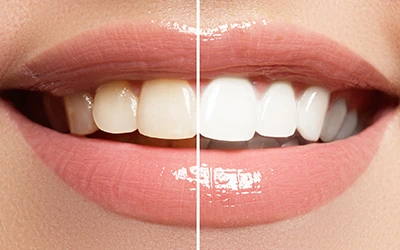
A bright smile is often associated with good health and confidence, but stained or discolored teeth are a common concern for many people. Tooth discoloration can happen gradually due to lifestyle habits, aging, or underlying dental issues. The good news is that there are several effective ways to restore a cleaner, brighter smile. Understanding how to treat stained or discolored teeth helps you choose the right care approach, whether through home remedies, professional treatments, or preventive habits. Why Teeth Become Stained or Discolored Tooth discoloration can be classified into two main types: extrinsic stains (surface-level) and intrinsic stains (deeper within the tooth). Common causes include: Identifying the cause helps determine the most effective treatment. Improve Daily Oral Hygiene One of the simplest ways to treat and prevent stains is by maintaining strong oral hygiene habits. Consistent care helps remove surface stains before they become permanent. Effective habits include: Pay extra attention to areas where plaque tends to build up, especially near the gum line. Try Whitening Toothpaste and Products Whitening toothpaste can help reduce mild surface stains over time. These products contain gentle abrasives or polishing agents that clean the enamel. You can also consider: While these options are helpful for light discoloration, they may not be effective for deeper stains. Professional Dental Cleaning A professional cleaning is often the first step in treating stained teeth. Dental hygienists use special tools to remove plaque, tartar, and surface stains that cannot be removed by brushing alone. Benefits include: Regular cleanings every six months help maintain long-term results. In-Office Teeth Whitening Treatments For more noticeable discoloration, professional whitening treatments offer faster and more dramatic results. Dentists use stronger whitening agents that safely lighten enamel color. Common methods include: These procedures are carefully monitored to minimize sensitivity while achieving effective results. At-Home Whitening Kits from Dentists Dentist-prescribed whitening kits are another safe and effective option. These kits include custom-made trays and professional-grade whitening gel. Advantages include: This option is ideal for people who prefer controlled whitening over time. Natural Remedies (Use with Caution) Some people explore natural methods to reduce stains, but they should be used carefully to avoid enamel damage. Common options include: However, these methods are not as effective as professional treatments and should not replace dental care. Address Underlying Dental Issues Sometimes discoloration is linked to deeper dental problems such as enamel erosion, cavities, or trauma. In such cases, simple whitening may not be enough. Treatment options may include: A dental evaluation helps identify the best solution for long-term improvement. Prevent Future Staining Prevention is key to maintaining a bright smile after treatment. Small lifestyle changes can make a big difference. Helpful tips include: These habits help prevent stains from returning. Eat Teeth-Friendly Foods Your diet plays an important role in oral health and tooth color. Certain foods naturally help clean teeth or strengthen enamel. Good choices include: These foods help stimulate saliva production and reduce plaque buildup. When to See a Dentist If discoloration does not improve with basic care, it is important to consult a dentist. Persistent stains may indicate deeper issues that require professional treatment. You should seek help if: Early diagnosis ensures better and safer treatment outcomes. Your smile deserves expert care and personalized attention. With years of experience in advanced orthodontic treatments, Dr. Nizar Ishaq is dedicated to helping patients achieve healthier, more confident smiles through modern techniques and customized treatment plans. Whether you need routine dental care, smile correction, or specialized orthodontic solutions, booking a consultation directly with Dr. Nizar Ishaq ensures professional guidance and patient-focused care. Take the first step toward a healthier, brighter smile by scheduling your consultation today.

Blog

Ways to Maintain Oral Health During Busy Schedules

In today’s fast-paced lifestyle, many people struggle to give enough attention to oral hygiene. Work pressure, travel, studies, and daily responsibilities often lead to skipped brushing or irregular dental care routines. Over time, this can increase the risk of cavities, gum problems, and bad breath. Even with a packed schedule, maintaining good oral health is possible by following simple, time-efficient habits that protect your teeth and gums. Why Oral Care Is Often Ignored in Busy Life When life becomes hectic, dental care is one of the first routines people tend to neglect. This usually happens due to lack of time or fatigue at the end of the day. Common reasons include: Small gaps in daily care can gradually affect overall dental health. 1. Follow a Fixed Daily Brushing Routine A consistent brushing habit is the most important step in maintaining oral hygiene. Simple practices include: A fixed routine helps maintain consistency even on busy days. 2. Keep a Portable Oral Care Kit Having dental essentials on hand makes it easier to maintain hygiene anywhere. A basic travel kit can include: This helps you clean your teeth even when you are away from home. 3. Use Quick Cleaning Techniques When time is limited, efficient oral care methods can still keep your mouth clean. Helpful tips: Short but effective care is better than skipping it completely. 4. Reduce Constant Snacking Frequent snacking increases acid production in the mouth, which can harm enamel. Try to: Fewer eating sessions help protect teeth from decay. 5. Stay Well Hydrated Drinking enough water throughout the day supports natural oral cleansing. Water helps: Keeping a water bottle nearby can help maintain hydration easily. 6. Use Sugar-Free Gum When Necessary When brushing is not possible, sugar-free gum can be a helpful temporary solution. It supports: It is a useful backup option during busy hours. 7. Never Skip Nighttime Oral Care Even on the busiest days, nighttime dental care should not be ignored. Before sleeping: Nighttime care protects teeth throughout the night. 8. Make Oral Care Part of Your Schedule Treating dental hygiene as a daily task helps build discipline. You can: This reduces the chances of forgetting. 9. Choose Healthy Food Options Even during busy days, food choices play a big role in oral health. Try to: Healthy food supports stronger teeth and gums. 10. Use Mouthwash for Quick Freshness Mouthwash can be useful when you cannot brush immediately. It helps: However, it should be used only as a supplement, not a replacement for brushing. 11. Do Not Skip Dental Checkups Busy routines often lead to delayed dental visits, but regular checkups are still essential. They help: Scheduling visits every six months is recommended. 12. Build Small Daily Habits Small habits can make a big difference over time. Examples include: Consistency matters more than perfection. Common Mistakes to Avoid Busy lifestyles often lead to habits that harm oral health. Avoid: Being mindful helps prevent long-term problems. Your smile deserves expert care and personalized attention. With years of experience in advanced orthodontic treatments, Dr. Nizar Ishaq is dedicated to helping patients achieve healthier, more confident smiles through modern techniques and customized treatment plans. Whether you need routine dental care, smile correction, or specialized orthodontic solutions, booking a consultation directly with Dr. Nizar Ishaq ensures professional guidance and patient-focused care. Take the first step toward a healthier, brighter smile by scheduling your consultation today.
Blog

Why Regular Dental Visits Are Important

Regular dental checkups are an essential part of maintaining strong teeth and healthy gums. Even with good daily brushing and flossing habits, professional dental care is still needed to identify hidden problems and prevent future complications. Understanding why regular dental visits are important helps people take proactive steps toward better oral and overall health. Importance of Preventive Dental Care Preventive dentistry focuses on stopping dental problems before they become serious. Routine visits allow dentists to monitor oral health and provide timely care when needed. Preventive checkups help: Early care is always easier and more effective than delayed treatment. Detecting Dental Issues Early Many dental problems do not show obvious symptoms in the beginning. Regular examinations help detect these issues at an early stage. Dentists can spot: Early detection allows for simpler and more successful treatment. Importance of Professional Cleaning Daily brushing cannot remove all plaque and hardened tartar, especially in hard-to-reach areas. Professional cleaning ensures a deeper level of oral hygiene. Benefits include: This helps maintain a healthier mouth overall. Prevention of Gum Problems Gum disease develops gradually and can lead to serious complications if ignored. Regular dental visits help: Healthy gums are essential for long-lasting dental strength. Monitoring Oral Development For children and teenagers, dental visits are important for tracking growth and development. Dentists help: Early monitoring ensures better alignment and fewer complications later. Reducing Risk of Tooth Loss Untreated dental problems can eventually result in tooth loss. Regular checkups help prevent this outcome. Major causes include: Routine care helps preserve natural teeth for longer. Connection Between Oral and Overall Health Oral health is closely linked with general health. Problems in the mouth can affect other parts of the body if left untreated. Regular dental care may help lower risks related to: A healthy mouth contributes to a healthier body. Personalized Dental Guidance Each person has unique oral health needs. Regular visits allow dentists to provide tailored advice and care. This may include: Personalized advice improves daily oral hygiene routines. Managing Bad Breath and Oral Discomfort Persistent bad breath is often a sign of underlying dental issues. Routine visits help identify the cause and provide treatment. Dentists may address: This helps improve freshness and oral comfort. Importance for Children and Families Children benefit greatly from regular dental visits as they grow and develop oral habits. Benefits include: Families who maintain routine visits tend to have better long-term oral health. Long-Term Cost and Time Benefits Preventive dental care helps avoid major treatments in the future, saving both time and money. Regular visits help reduce: Early care is more affordable and less stressful. Recommended Frequency of Dental Visits The frequency of dental checkups may vary depending on individual needs. General guideline: Regular scheduling ensures continuous protection. Reasons People Delay Dental Visits Many individuals postpone dental care due to common concerns. These include: However, delaying care often leads to more serious issues later. Your smile deserves expert care and personalized attention. With years of experience in advanced orthodontic treatments, Dr. Nizar Ishaq is dedicated to helping patients achieve healthier, more confident smiles through modern techniques and customized treatment plans. Whether you need routine dental care, smile correction, or specialized orthodontic solutions, booking a consultation directly with Dr. Nizar Ishaq ensures professional guidance and patient-focused care. Take the first step toward a healthier, brighter smile by scheduling your consultation today.
Blog

How Oral Health Affects Your Overall Well-Being

Oral health is often viewed as separate from general health, but in reality, the mouth is closely connected to the rest of the body. The condition of your teeth and gums can influence digestion, immunity, heart health, and even mental well-being. Poor oral hygiene can allow harmful bacteria to spread beyond the mouth, affecting overall health in unexpected ways. Understanding how oral health affects your overall well-being highlights the importance of daily dental care and regular checkups. The Connection Between Oral Health and the Body The mouth acts as a gateway to the body. When oral hygiene is neglected, bacteria can multiply and enter the bloodstream, leading to inflammation and infection in other parts of the body. Good oral health supports: Maintaining a clean mouth is essential for total body health. Gum Health and Heart Disease Research has shown a strong link between gum disease and heart-related conditions. Inflammation in the gums can contribute to inflammation in blood vessels. Poor gum health may increase the risk of: Bacteria from the mouth can travel through the bloodstream, affecting cardiovascular health. Oral Health and Digestion Digestion begins in the mouth. Healthy teeth are essential for proper chewing, which helps break food into smaller particles for easier digestion. Poor oral health can lead to: Strong teeth support efficient digestion and better nutrition. Impact on the Immune System Chronic oral infections, such as gum disease, can place stress on the immune system. The body constantly fights inflammation caused by bacteria in the mouth. This may result in: Keeping the mouth healthy helps reduce the burden on the immune system. Oral Health and Diabetes There is a two-way relationship between oral health and diabetes. Poor gum health can make it harder to control blood sugar levels, while diabetes increases the risk of gum disease. Key concerns include: Managing oral hygiene is especially important for individuals with diabetes. Respiratory Health and Oral Bacteria Oral bacteria can sometimes be inhaled into the lungs, especially in individuals with poor oral hygiene or existing health conditions. This may contribute to: Maintaining oral cleanliness helps reduce harmful bacterial spread. Mental Health and Self-Confidence Oral health also plays an important role in emotional well-being. Problems such as bad breath, tooth discoloration, or missing teeth can affect confidence and social interactions. Poor oral health may lead to: A healthy smile supports better confidence and mental wellness. The Role of Nutrition in Oral and Overall Health Diet affects both oral health and general well-being. Foods high in sugar and acid can damage teeth and also contribute to systemic health issues. Healthy dietary habits support: A nutritious diet benefits both mouth and body. Importance of Daily Oral Hygiene Simple daily habits play a major role in preventing health complications linked to poor oral hygiene. Essential habits include: Consistency is key to maintaining both oral and overall health. Regular Dental Checkups and Prevention Routine dental visits help detect early signs of oral problems before they affect overall health. Dentists can identify: Preventive care reduces the risk of long-term complications. Oral Health in Different Age Groups Oral care is important at every stage of life. Children: Adults: Seniors: Each stage requires consistent dental care. Your smile deserves expert care and personalized attention. With years of experience in advanced orthodontic treatments, Dr. Nizar Ishaq is dedicated to helping patients achieve healthier, more confident smiles through modern techniques and customized treatment plans. Whether you need routine dental care, smile correction, or specialized orthodontic solutions, booking a consultation directly with Dr. Nizar Ishaq ensures professional guidance and patient-focused care. Take the first step toward a healthier, brighter smile by scheduling your consultation today.
Blog

Common Misconceptions About Braces

Braces are widely used to correct misaligned teeth, improve bite function, and support better long-term oral health. Despite their proven effectiveness, many people still hesitate to undergo treatment because of outdated beliefs and misinformation. These misconceptions can lead to unnecessary delays in getting proper orthodontic care. Understanding the common misconceptions about braces helps clear confusion and allows patients to make informed decisions about their dental health. Why Misconceptions About Braces Spread Many myths about braces come from old experiences or incomplete information. Orthodontic treatments have improved significantly over the years, but outdated ideas still influence how people view them. Common reasons include: Modern orthodontics is far more comfortable and efficient than before. Myth 1: Braces Are Only for Appearance A common belief is that braces are purely cosmetic and only improve how teeth look. The Truth: Braces also correct functional issues such as: They improve both dental health and appearance. Myth 2: Braces Are Extremely Painful Many people assume braces cause constant pain throughout treatment. The Truth: Braces may cause mild soreness, especially after adjustments, but this discomfort is temporary and manageable. Most patients adjust within a few days. Modern orthodontic systems are designed to: Myth 3: Braces Are Only for Teenagers It is often believed that braces are only suitable for children or teenagers. The Truth: Braces are effective at almost any age as long as teeth and gums are healthy. Adults also benefit from orthodontic treatment. Benefits for adults include: Myth 4: Treatment Takes Many Years Some people think orthodontic treatment always takes a very long time. The Truth: Treatment duration depends on the complexity of the case. Some alignment issues can be corrected in a relatively shorter time with modern techniques. Time varies based on: Myth 5: Braces Are Too Expensive for Most People Cost is often seen as a major barrier to getting braces. The Truth: While braces are an investment, they help prevent more serious and expensive dental problems in the future. Many treatment plans also offer flexible payment options. Orthodontic care provides long-term value by: Myth 6: Braces Damage Teeth Some believe braces can harm or weaken teeth. The Truth: Braces do not damage teeth when proper oral hygiene is maintained. Problems occur only if cleaning is neglected during treatment. Good care includes: Myth 7: Eating Becomes Very Difficult There is a belief that braces severely restrict eating habits. The Truth: While some foods should be avoided, most meals can still be enjoyed with minor adjustments. Foods to limit: A balanced diet is still completely possible. Myth 8: Braces Only Move Front Teeth Many assume braces only correct the visible front teeth. The Truth: Braces align the entire mouth, including back teeth, and improve overall bite balance. This helps: Myth 9: Teeth Will Shift Back After Treatment Some people worry that results from braces will not last. The Truth: With proper use of retainers, results are long-lasting. Retainers help maintain the corrected position of teeth after treatment. Myth 10: Braces Always Look Unattractive A common concern is that braces are too noticeable and affect appearance. The Truth: Modern orthodontics offers less visible options such as: These options make treatment more discreet than ever before. Importance of Knowing the Facts Understanding the reality behind braces helps patients: Accurate knowledge leads to better dental outcomes. Advancements in Modern Orthodontics Today’s orthodontic treatments are more advanced and patient-friendly than in the past. Improvements include: These advancements make braces more efficient and convenient. Your smile deserves expert care and personalized attention. With years of experience in advanced orthodontic treatments, Dr. Nizar Ishaq is dedicated to helping patients achieve healthier, more confident smiles through modern techniques and customized treatment plans. Whether you need routine dental care, smile correction, or specialized orthodontic solutions, booking a consultation directly with Dr. Nizar Ishaq ensures professional guidance and patient-focused care. Take the first step toward a healthier, brighter smile by scheduling your consultation today.

Blog

Common Signs That You May Need Braces

A well-aligned set of teeth is important not only for appearance but also for proper chewing, speaking, and long-term oral health. Orthodontic issues are quite common, and many people may not realize they have alignment problems until they become more noticeable. Learning the common signs that you may need braces helps you identify potential dental issues early and seek timely orthodontic care for better results. Why Proper Tooth Alignment Is Important When teeth are properly aligned, the mouth functions more efficiently and is easier to keep clean. Misaligned teeth can create areas where plaque and food easily get trapped. Correct alignment supports: Addressing alignment problems early helps avoid future complications. 1. Teeth That Appear Crooked Crooked teeth are one of the most common reasons people need braces. Teeth may grow at angles or overlap due to lack of space or genetic factors. Possible effects include: Braces help guide teeth into a straighter, more balanced position. 2. Crowded Teeth Crowding happens when there is not enough space in the jaw for all teeth to fit properly, causing them to twist or overlap. Signs include: Orthodontic treatment creates proper spacing and improves alignment. 3. Noticeable Gaps Between Teeth Some people have extra space between teeth, which can affect both appearance and bite function. Common causes include: Braces help close these gaps and improve overall alignment. 4. Overbite Issues An overbite occurs when the upper front teeth extend too far over the lower teeth. This may lead to: Braces help adjust the bite to a more natural position. 5. Underbite Concerns An underbite happens when the lower teeth extend beyond the upper teeth. Possible effects: Orthodontic correction improves both function and appearance. 6. Crossbite Problems A crossbite occurs when upper teeth sit inside the lower teeth when biting down. This condition may cause: Early treatment helps prevent long-term dental damage. 7. Difficulty While Chewing If chewing feels uncomfortable or uneven, it may be a sign of bite misalignment. Indicators include: Braces can help restore balanced bite function. 8. Jaw Pain or Clicking Sounds Pain or clicking in the jaw joint may be linked to orthodontic problems. Possible reasons include: Correcting alignment can reduce discomfort over time. 9. Speech Difficulties Tooth and jaw positioning can influence how clearly a person speaks. Signs may include: Orthodontic correction may improve speech clarity. 10. Biting Cheeks or Tongue Frequently Accidentally biting the inner cheeks or tongue can indicate poor tooth alignment. This may result in: Braces help reposition teeth for safer alignment. 11. Uneven Tooth Wear When teeth are not aligned properly, some areas may wear down faster than others. Effects include: Proper alignment helps distribute biting pressure evenly. 12. Feeling Unsatisfied With Your Smile Sometimes alignment issues are visible and affect confidence, even if they do not cause pain. This may impact: Braces can improve both dental function and aesthetics. Why Early Orthodontic Checkups Are Important Early evaluation helps identify alignment issues before they become more complex. Benefits include: Regular dental visits help detect problems at an early stage. Your smile deserves expert care and personalized attention. With years of experience in advanced orthodontic treatments, Dr. Nizar Ishaq is dedicated to helping patients achieve healthier, more confident smiles through modern techniques and customized treatment plans. Whether you need routine dental care, smile correction, or specialized orthodontic solutions, booking a consultation directly with Dr. Nizar Ishaq ensures professional guidance and patient-focused care. Take the first step toward a healthier, brighter smile by scheduling your consultation today.  

Scroll to Top