Author name: Content

Uncategorized

Understanding the Importance of Dental Awareness

Dental health is an essential part of overall well-being, yet it is often overlooked until serious problems arise. Maintaining healthy teeth and gums not only improves appearance but also supports better physical health and confidence. This is why understanding the importance of dental awareness is crucial for people of all ages. Dental awareness involves educating individuals about proper oral hygiene, preventive care, regular dental checkups, and healthy lifestyle habits. With increased awareness, many common dental problems can be prevented before they become severe or costly to treat. What Is Dental Awareness? Dental awareness refers to having knowledge about oral health and understanding how daily habits affect teeth and gums. It includes learning about: People who are informed about oral hygiene are more likely to maintain healthier smiles and avoid major dental complications. Why Dental Health Matters The mouth is closely connected to the rest of the body. Poor oral health can affect overall wellness and may contribute to several health conditions. Problems such as gum disease and infections may impact heart health, diabetes management, and immune function. Understanding the importance of dental awareness helps individuals recognize that oral care is not only about appearance but also about protecting overall health. Common Dental Problems Lack of dental awareness often leads to preventable oral diseases. Some of the most common dental issues include: Tooth Decay Cavities occur when bacteria in the mouth produce acids that damage tooth enamel. Poor brushing habits and excessive sugar intake increase the risk of decay. Gum Disease Gum disease begins with plaque buildup and may progress to serious infections if untreated. Symptoms may include swollen gums, bleeding, and bad breath. Tooth Sensitivity Sensitivity can result from enamel erosion, gum recession, or cavities. Hot and cold foods may trigger discomfort. Bad Breath Poor oral hygiene, gum disease, and bacteria buildup can cause persistent bad breath. Tooth Loss Untreated dental conditions may eventually lead to tooth loss, affecting chewing ability and self-confidence. The Role of Preventive Care Preventive care is one of the most important aspects of dental awareness. Preventing problems is often easier and more affordable than treating advanced conditions. Preventive dental care includes: Regular checkups help identify issues early before they become serious. Importance of Regular Dental Checkups Many dental problems develop gradually and may not cause pain in the early stages. Routine dental visits allow professionals to detect signs of decay, gum disease, or oral infections early. Dental checkups may include: Understanding the importance of dental awareness encourages people to prioritize regular dental appointments instead of waiting for pain or discomfort. How Diet Affects Oral Health Nutrition plays a major role in maintaining healthy teeth and gums. Foods high in sugar and acid can weaken enamel and increase cavity risk. Healthy foods that support oral health include: Drinking enough water also helps wash away food particles and bacteria from the mouth. Dental Awareness for Children Teaching children good oral hygiene habits at an early age helps create lifelong healthy routines. Parents play a key role in encouraging proper brushing, flossing, and healthy eating habits. Children with strong dental awareness are more likely to: Schools and communities can also support oral health education programs for children. The Psychological Benefits of Healthy Teeth A healthy smile can improve self-esteem and social confidence. Dental issues such as missing teeth, discoloration, or bad breath may affect emotional well-being and communication. Good oral health often contributes to: This highlights another reason why understanding the importance of dental awareness is valuable. Tips for Maintaining Good Oral Health Maintaining oral health does not have to be complicated. Simple daily habits can make a significant difference. Helpful oral care tips include: Consistency is key to long-term dental health. The Connection Between Oral Health and Overall Health Research continues to show strong links between oral health and general health conditions. Gum disease has been associated with: Taking care of oral health can support overall wellness and reduce potential health risks. Your smile deserves expert care and personalized attention. With years of experience in advanced orthodontic treatments, Dr. Nizar Ishaq is dedicated to helping patients achieve healthier, more confident smiles through modern techniques and customized treatment plans. Whether you need routine dental care, smile correction, or specialized orthodontic solutions, booking a consultation directly with Dr. Nizar Ishaq ensures professional guidance and patient-focused care. Take the first step toward a healthier, brighter smile by scheduling your consultation today.
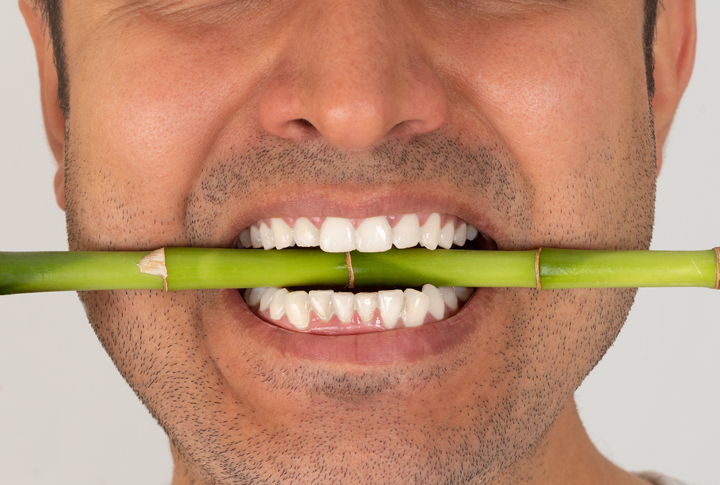

 Healthy Practices for Strong Teeth
Uncategorized

 Healthy Practices for Strong Teeth

Strong and healthy teeth are essential for eating, speaking, smiling, and maintaining overall well-being. Good oral health not only improves appearance and confidence but also helps prevent common dental problems such as cavities, gum disease, tooth sensitivity, and enamel erosion. Maintaining strong teeth requires consistent care, healthy habits, and preventive practices that protect the mouth over time. Many dental issues develop gradually due to poor oral hygiene, unhealthy diets, or neglected preventive care. Fortunately, simple daily habits can significantly improve oral health and help preserve strong teeth throughout life. Understanding healthy practices for strong teeth allows individuals to make better decisions that support long-term dental wellness. Brush Teeth Properly Every Day Brushing is one of the most important habits for maintaining strong teeth. Proper brushing removes plaque, bacteria, and food particles that accumulate on tooth surfaces during the day. Teeth should ideally be brushed at least twice daily using fluoride toothpaste and a soft-bristled toothbrush. Brushing for two minutes helps ensure all areas of the mouth are cleaned effectively. Gentle circular motions are generally recommended because aggressive brushing may damage enamel and irritate gums. Paying attention to the gumline and back teeth can also improve overall cleaning results. Use Fluoride for Enamel Protection Fluoride is a mineral that helps strengthen enamel and reduce the risk of tooth decay. It supports the natural repair process of enamel and helps teeth resist acid attacks caused by bacteria and sugary foods. Using fluoride toothpaste regularly is one of the simplest ways to support stronger teeth. Fluoride-containing mouthwash may also provide additional protection for some individuals. Consistent fluoride exposure can play a major role in maintaining healthy enamel over time. Floss Daily for Better Oral Hygiene Brushing alone cannot fully clean the spaces between teeth. Plaque and food debris often collect in areas that toothbrush bristles cannot easily reach. Daily flossing helps remove bacteria and plaque from between teeth and along the gumline. This practice supports healthier gums and reduces the risk of cavities between teeth. Regular flossing is an essential part of a complete oral hygiene routine and contributes significantly to long-term dental health. Eat a Tooth-Friendly Diet Nutrition strongly influences oral health. Healthy foods provide essential nutrients that support enamel strength, gum health, and overall oral wellness. Foods beneficial for strong teeth include: These foods help provide important minerals and vitamins needed for maintaining strong teeth and healthy gums. Limiting sugary snacks and processed foods can also reduce the risk of tooth decay. Reduce Sugar Consumption Excessive sugar intake is one of the leading causes of cavities. Harmful bacteria in the mouth feed on sugar and produce acids that weaken enamel. Frequent exposure to sugary foods and beverages increases the likelihood of plaque buildup and tooth decay. Soft drinks, candy, sweetened coffee drinks, and processed snacks are common sources of hidden sugar. Reducing sugar intake and rinsing the mouth with water after meals can help protect teeth from acid damage. Drink Plenty of Water Water plays an important role in maintaining oral health. Drinking water throughout the day helps wash away food particles, acids, and bacteria from the mouth. Proper hydration also supports saliva production. Saliva naturally protects teeth by neutralizing acids and helping prevent dry mouth. Choosing water instead of sugary or acidic beverages can greatly benefit dental health and help maintain stronger teeth. Avoid Smoking and Tobacco Products Smoking and tobacco use can severely damage oral health. These habits increase the risk of gum disease, tooth discoloration, bad breath, and oral tissue problems. Tobacco products may also reduce blood flow to the gums, making healing more difficult and increasing the risk of tooth loss. Avoiding smoking supports healthier gums, fresher breath, and improved long-term oral wellness. Limit Acidic Foods and Drinks Acidic foods and beverages can gradually wear down tooth enamel, leading to sensitivity and increased cavity risk. Common acidic products include: Reducing the frequency of acidic beverages and rinsing with water afterward can help protect enamel from erosion. Using a straw for acidic drinks may also minimize direct contact with teeth. Maintain Regular Dental Checkups Preventive dental visits are essential for maintaining strong teeth. Routine examinations and professional cleanings help identify problems early before they become severe. Professional cleanings remove plaque and tartar buildup that cannot be fully eliminated through home care alone. Regular dental checkups support early detection of: Early treatment helps preserve healthier teeth and reduces the need for complex procedures later. Protect Teeth During Physical Activities Sports and physical activities can increase the risk of dental injuries. Wearing a mouthguard during contact sports helps protect teeth from fractures and trauma. Preventive protection is especially important for children, teenagers, and athletes who participate in high-impact activities. Protecting teeth from injury supports long-term oral health and function. Avoid Teeth Grinding Teeth grinding, also known as bruxism, can wear down enamel and damage teeth over time. Stress and poor sleep habits are common contributors to grinding. People who grind their teeth may experience: Managing stress and seeking professional evaluation when needed may help reduce the effects of grinding. Protective night guards may also help preserve enamel and reduce strain on teeth. Maintain Healthy Gums Strong teeth rely on healthy gums for support and stability. Gum disease can weaken the structures that hold teeth in place and increase the risk of tooth loss. Healthy gum care includes: Maintaining healthy gums is an important part of preserving strong teeth throughout life. Teach Healthy Habits Early Children who learn proper oral hygiene practices at an early age are more likely to maintain healthier teeth into adulthood. Parents and caregivers can encourage: Early education helps build lifelong habits that support strong teeth and better oral health. Prioritize Preventive Care Preventive oral care is more effective than treating advanced dental problems. Consistent daily habits and regular professional care can significantly reduce the risk of cavities, gum disease, and tooth damage. Healthy practices for strong teeth involve a combination of hygiene, nutrition, hydration, and lifestyle awareness. Protecting oral health through prevention helps maintain comfort,

The Connection Between Lifestyle and Oral Health
Uncategorized

How Lifestyle Choices Affect Oral Health

Oral health is influenced by much more than brushing and flossing alone. Daily lifestyle choices play a major role in determining the condition of teeth, gums, and overall oral wellness. Habits related to diet, hydration, smoking, stress, sleep, and physical health can either protect or damage the mouth over time. Many people are unaware that certain lifestyle behaviors may gradually contribute to tooth decay, gum disease, enamel erosion, bad breath, and other oral health complications. Understanding how lifestyle choices affect oral health helps individuals make healthier decisions that support long-term dental wellness and overall well-being. The Connection Between Lifestyle and Oral Health The mouth is directly affected by everyday habits and routines. Positive lifestyle choices can strengthen teeth and gums, while unhealthy behaviors may increase the risk of oral disease. Factors that commonly influence oral health include: Maintaining healthy routines can improve both oral function and general health. The Impact of Diet on Oral Health Nutrition plays a critical role in maintaining strong teeth and healthy gums. The foods and beverages consumed daily directly affect tooth enamel, bacterial growth, and oral tissues. A balanced diet rich in vitamins and minerals supports healthier teeth and gums. Nutrients such as calcium, phosphorus, and vitamin D are especially important for maintaining enamel strength and bone health. On the other hand, diets high in sugar and processed foods may increase the risk of: Frequent snacking and sugary drinks expose teeth to acid attacks that weaken enamel over time. Sugary Foods and Tooth Decay Sugar is one of the leading contributors to tooth decay. Harmful bacteria in the mouth feed on sugar and produce acids that damage enamel. Common sources of excess sugar include: Reducing sugar intake and rinsing the mouth with water after meals can help protect teeth from acid damage. Choosing healthier snacks such as fruits, vegetables, cheese, and nuts supports better oral health. Acidic Drinks and Enamel Erosion Acidic beverages may gradually wear away enamel and increase tooth sensitivity. Drinks that commonly contribute to enamel erosion include: Frequent exposure to acids can weaken tooth surfaces and increase vulnerability to cavities. Drinking water after acidic beverages and limiting their frequency may help reduce enamel damage. Smoking and Tobacco Use Smoking is one of the most harmful lifestyle habits for oral health. Tobacco products negatively affect teeth, gums, and oral tissues in several ways. Smoking may contribute to: Tobacco use can also reduce blood flow to the gums, making it harder for tissues to heal properly. Quitting smoking supports healthier gums, fresher breath, and improved overall wellness. Alcohol Consumption and Oral Health Excessive alcohol consumption can negatively affect the mouth by contributing to dry mouth and irritation of oral tissues. Dry mouth reduces saliva production, which is important for neutralizing acids and protecting teeth from bacteria. Reduced saliva levels may increase the risk of cavities and bad breath. Some alcoholic beverages also contain high sugar and acid levels that may damage enamel over time. Moderation and proper hydration can help reduce alcohol-related oral health risks. The Importance of Hydration Water plays a vital role in maintaining oral hygiene. Staying hydrated helps support saliva production and rinse away food particles and bacteria. Saliva naturally protects teeth by: People who consume large amounts of caffeine or sugary beverages without enough water may experience increased oral health problems. Drinking water regularly is one of the simplest ways to support healthier teeth and gums. Stress and Oral Health Stress can significantly affect oral wellness. Many people unconsciously grind their teeth or clench their jaws during stressful situations, which may lead to: Stress may also contribute to neglected oral hygiene habits, unhealthy eating patterns, and increased smoking or alcohol consumption. Managing stress through exercise, relaxation techniques, and proper sleep may help protect oral health. Sleep and Oral Wellness Poor sleep quality may negatively influence both physical and oral health. Sleep deprivation can weaken the immune system, increasing susceptibility to gum inflammation and infections. Certain sleep-related issues, such as mouth breathing, may also contribute to dry mouth and bad breath. Healthy sleep routines support stronger immunity, healthier gums, and improved overall wellness. The Effects of Poor Oral Hygiene Habits Lifestyle choices related to daily hygiene routines strongly impact oral health. Inconsistent brushing and flossing allow plaque and bacteria to accumulate, increasing the risk of dental disease. Essential oral hygiene habits include: Maintaining consistent routines is essential for preventing oral complications. Physical Activity and Oral Health Regular physical activity contributes to better circulation and overall wellness, which can positively influence oral health. Healthy individuals are often more likely to maintain positive lifestyle habits that support dental care. However, some athletes may experience dry mouth due to dehydration or consume acidic sports drinks that can damage enamel. Balancing hydration and oral hygiene is important for physically active individuals. The Influence of Family Habits Lifestyle choices within families often influence oral hygiene routines and dietary habits. Children who grow up in households that prioritize dental care are more likely to maintain healthy habits into adulthood. Family support for: can contribute to stronger long-term oral health outcomes. The Importance of Preventive Dental Care Even healthy lifestyle habits should be combined with regular dental checkups. Preventive dental care allows early detection of problems before they become severe. Routine professional cleanings and examinations help maintain oral health and support long-term wellness. Combining healthy lifestyle choices with preventive dental care creates the strongest foundation for maintaining healthy teeth and gums. Your smile deserves expert care and personalized attention. With years of experience in advanced orthodontic treatments,Dr. Nizar Ishaq is dedicated to helping patients achieve healthier, more confident smiles through modern techniques and customized treatment plans. Whether you need routine dental care, smile correction, or specialized orthodontic solutions, booking a consultation directly with Dr. Nizar Ishaq ensures professional guidance and patient-focused care. Take the first step toward a healthier, brighter smile by scheduling your consultation today.
Uncategorized

The Role of Orthodontists in Oral Health

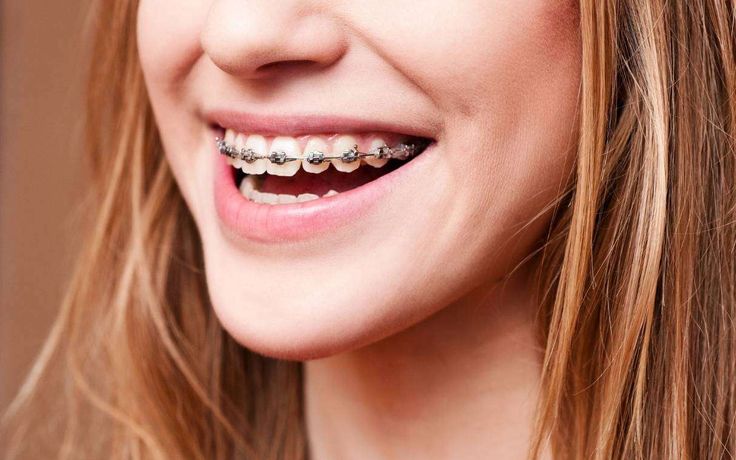
Oral health involves much more than brushing and flossing. Proper tooth alignment, jaw positioning, and bite function all play important roles in maintaining a healthy mouth. Orthodontists contribute significantly to oral health by diagnosing, preventing, and correcting alignment issues that affect teeth and jaws. Their work not only improves the appearance of smiles but also supports long-term dental function and overall oral wellness. Many people associate orthodontic treatment only with cosmetic improvements, but orthodontics offers important health benefits as well. Misaligned teeth and bite problems can increase the risk of oral hygiene difficulties, gum disease, tooth wear, and jaw discomfort. Orthodontists help manage these concerns through specialized treatments designed to improve alignment and oral function. Understanding Orthodontics Orthodontics is a specialized field of dentistry focused on correcting irregularities involving the teeth, jaws, and bite. Orthodontists receive advanced training to diagnose alignment problems and create treatment plans that improve both appearance and functionality. Orthodontic care may address issues such as: Treatments are designed to gradually move teeth into healthier positions while supporting proper bite function and oral balance. Improving Teeth Alignment One of the primary roles of orthodontists in oral health is improving dental alignment. Properly aligned teeth are generally easier to clean and maintain than crowded or overlapping teeth. When teeth are crooked or tightly crowded, plaque and food particles can collect in hard-to-reach areas. This may increase the risk of: Orthodontic treatment helps create better spacing and alignment, making daily brushing and flossing more effective. Supporting Better Oral Hygiene Straight teeth are often easier to maintain through regular oral hygiene routines. Orthodontists help improve oral health by reducing areas where bacteria and plaque can accumulate. Better alignment allows individuals to clean their teeth more thoroughly, which may lower the risk of long-term dental problems. Improved oral hygiene can contribute to healthier gums and stronger teeth over time. Orthodontic treatment supports preventive dental care and encourages better long-term oral habits. Correcting Bite Problems Bite alignment is essential for proper chewing, speaking, and jaw function. Orthodontists help correct bite irregularities that may interfere with daily activities and oral comfort. Common bite problems include: If left untreated, bite problems may contribute to uneven tooth wear, jaw strain, headaches, or difficulty chewing. Orthodontic treatment helps improve bite balance and reduces unnecessary pressure on teeth and jaw joints. Reducing the Risk of Tooth Damage Misaligned teeth may experience uneven pressure during chewing and biting. Over time, this can lead to enamel wear, fractures, and tooth sensitivity. Orthodontists help distribute bite forces more evenly by improving tooth positioning and jaw alignment. Proper alignment may reduce excessive stress on certain teeth and help protect enamel from unnecessary wear. Correcting alignment problems early can support stronger and healthier teeth in the future. Supporting Gum Health Crowded or improperly spaced teeth can make gum care more challenging. Plaque buildup around misaligned teeth may increase the risk of gum inflammation and periodontal disease. Orthodontic treatment can improve gum health by creating better spacing and allowing easier access for brushing and flossing. Healthier gums provide stronger support for teeth and contribute to long-term oral stability. Maintaining proper alignment supports both dental and periodontal wellness. Improving Speech and Chewing Function Certain orthodontic issues may affect speech clarity and chewing efficiency. Misaligned teeth or jaw irregularities can interfere with proper tongue movement and bite function. Orthodontists help improve oral function by correcting alignment issues that impact speech and chewing. Better bite alignment often leads to improved comfort during eating and clearer pronunciation. Functional improvements are an important part of orthodontic care beyond cosmetic appearance. Preventing Future Dental Complications Orthodontists play an important preventive role in oral healthcare. Correcting alignment and bite issues early may reduce the risk of more serious dental complications later in life. Untreated orthodontic problems may contribute to: Preventive orthodontic care can help maintain healthier oral structures and reduce the likelihood of future treatments. Boosting Confidence and Smile Appearance A healthy smile often contributes to self-confidence and emotional well-being. Many people feel more comfortable smiling and speaking after improving dental alignment. Orthodontists help enhance smile aesthetics by correcting visible alignment concerns. While cosmetic improvement is not the only goal of orthodontic treatment, it can positively influence social confidence and self-esteem. Improved appearance may also encourage individuals to maintain stronger oral hygiene habits. Orthodontic Care for Children and Teenagers Early orthodontic evaluation is important for monitoring jaw development and tooth eruption patterns. Orthodontists can identify potential issues during childhood and recommend treatment when appropriate. Orthodontic care during growth stages may help guide jaw development and reduce the severity of future alignment problems. Children and teenagers often benefit from early intervention for concerns such as: Monitoring dental development supports healthier long-term oral outcomes. Adult Orthodontic Treatment Orthodontic treatment is not limited to children or teenagers. Many adults seek orthodontic care to improve oral health, bite function, and smile appearance. Modern orthodontic options provide more discreet treatment choices that fit adult lifestyles and professional environments. Adult orthodontic care may help address long-standing alignment issues while supporting healthier teeth and gums. The Importance of Retention After Treatment Orthodontists also play a role in maintaining treatment results after active care is completed. Teeth naturally shift over time, making retention an important part of long-term stability. Retainers help preserve alignment and protect treatment outcomes. Following retention instructions supports long-term oral health and helps maintain the benefits achieved through orthodontic treatment. Consistency with retention contributes to lasting results. Encouraging Long-Term Oral Wellness Orthodontists contribute to overall oral wellness by improving alignment, supporting hygiene, enhancing function, and reducing future dental risks. Properly aligned teeth are easier to maintain and often experience less stress during daily function. Orthodontic care supports healthier smiles while helping individuals maintain better oral hygiene practices for life. Orthodontic treatment is both a functional and preventive investment in long-term dental health. Your smile deserves expert care and personalized attention. With years of experience in advanced orthodontic treatments,Dr. Nizar Ishaq is dedicated to helping patients achieve healthier, more confident smiles through modern techniques and

Understanding the Importance of Dental Responsibility
Blog

Understanding the Importance of Dental Responsibility

Dental health is an essential part of overall well-being, yet many people overlook the importance of taking responsibility for their oral care. Dental responsibility involves maintaining healthy habits, practicing proper oral hygiene, attending regular dental checkups, and making informed lifestyle choices that protect teeth and gums. Consistent oral care not only helps preserve a healthy smile but also supports long-term physical health and confidence. Understanding the importance of dental responsibility allows individuals to prevent many common oral problems before they become severe. When people actively care for their teeth and gums, they reduce the risk of tooth decay, gum disease, bad breath, and other complications that can affect daily life. What Is Dental Responsibility? Dental responsibility refers to the personal commitment to maintaining healthy oral hygiene habits and protecting oral health over time. It includes both daily self-care and preventive professional care. Responsible dental habits often include: Dental responsibility also involves understanding how lifestyle choices impact oral health and taking preventive action to reduce risks. The Connection Between Oral Health and Overall Wellness Oral health is closely connected to overall health. Poor dental hygiene may contribute to inflammation and infections that can affect other areas of the body. Studies have linked poor oral health to conditions such as: Understanding the importance of dental responsibility encourages individuals to view oral care as part of complete healthcare rather than a separate concern. Protecting oral health can positively influence both physical wellness and quality of life. Helps Prevent Tooth Decay Tooth decay is one of the most common dental problems worldwide. Cavities develop when bacteria in plaque produce acids that damage tooth enamel. Practicing responsible oral hygiene helps remove plaque and reduce bacterial buildup. Brushing and flossing consistently can significantly lower the risk of cavities and enamel erosion. Preventive care is always more effective and less complicated than treating advanced decay. Supports Healthy Gums Healthy gums are essential for maintaining strong and stable teeth. Neglecting oral hygiene may lead to gingivitis and periodontal disease, which can damage gum tissues and supporting bone structures. Dental responsibility includes proper gum care through regular cleaning and preventive habits. Healthy gums reduce the risk of bleeding, swelling, infection, and tooth loss. Maintaining gum health is a critical component of lifelong oral wellness. Encourages Preventive Dental Care Many people visit a dental clinic only when they experience pain or discomfort. However, preventive care plays a major role in maintaining oral health and avoiding serious complications. Routine dental examinations and professional cleanings help identify problems early before they become severe. Preventive care may reduce the need for extensive restorative procedures in the future. Responsible dental care encourages regular monitoring and early intervention for better long-term outcomes. Promotes Better Daily Hygiene Habits Understanding dental responsibility helps individuals develop consistent oral hygiene routines. Daily habits play a significant role in protecting teeth and gums from disease. Important oral hygiene practices include: These simple routines can greatly improve oral cleanliness and reduce the risk of dental complications. Reduces the Risk of Tooth Loss Tooth loss can affect chewing ability, speech, appearance, and confidence. Many cases of tooth loss are linked to untreated gum disease and long-term neglect of oral hygiene. Responsible dental care helps preserve natural teeth by reducing damage caused by plaque, bacteria, and inflammation. Maintaining healthy gums and teeth increases the likelihood of keeping natural teeth for many years. Protecting natural teeth contributes to improved comfort and better oral function. Supports Fresh Breath Bad breath is often caused by bacteria, plaque buildup, food particles, or gum disease. Poor oral hygiene can lead to persistent unpleasant mouth odor. Dental responsibility includes maintaining proper cleaning routines that help reduce bacterial accumulation. Consistent brushing, flossing, and hydration support fresher breath and improved oral cleanliness. Fresh breath can positively influence confidence and social interactions. Encourages Healthy Eating Habits Diet plays an important role in oral health. Sugary foods and acidic beverages can weaken enamel and increase the risk of cavities. Responsible dental care involves making healthier nutritional choices that support stronger teeth and gums. Foods rich in calcium, vitamins, and minerals help maintain healthy oral structures. Drinking water regularly and limiting sugary snacks can also contribute to better dental health. Helps Save Money on Future Treatments Preventive oral care is generally less expensive than treating advanced dental problems. Neglecting oral hygiene may eventually lead to costly procedures such as root canals, crowns, gum treatments, or tooth replacements. Understanding the importance of dental responsibility encourages preventive habits that reduce the likelihood of severe dental complications. Investing time in daily oral hygiene can help avoid significant financial burdens later. Improves Confidence and Smile Appearance Healthy teeth and gums contribute greatly to appearance and self-confidence. Dental issues such as visible decay, stained teeth, gum disease, or bad breath may affect social comfort and emotional well-being. Responsible oral care helps maintain cleaner teeth, healthier gums, and a brighter smile. A healthy smile often improves confidence in personal, academic, and professional settings. Good oral hygiene also supports clearer speech and overall comfort. Teaches Children Lifelong Healthy Habits Dental responsibility should begin early in life. Teaching children about proper oral hygiene can help establish lifelong healthy habits. Parents and caregivers play an important role in encouraging: Children who learn the value of dental responsibility are more likely to maintain strong oral hygiene practices into adulthood. The Impact of Lifestyle Choices on Oral Health Lifestyle habits can strongly influence dental wellness. Smoking, excessive alcohol consumption, stress, and poor nutrition may negatively affect oral tissues and gum health. Understanding dental responsibility helps individuals make healthier decisions that protect their oral and overall health. Healthy lifestyle choices support stronger immunity, healthier gums, and better long-term dental outcomes. Your smile deserves expert care and personalized attention. With years of experience in advanced orthodontic treatments,Dr. Nizar Ishaq is dedicated to helping patients achieve healthier, more confident smiles through modern techniques and customized treatment plans. Whether you need routine dental care, smile correction, or specialized orthodontic solutions, booking a consultation directly with Dr. Nizar Ishaq

Simple Ways to Improve Your Oral Care Routine
Blog

Simple Ways to Improve Your Oral Care Routine

Maintaining good oral hygiene is one of the most important parts of overall health and wellness. A healthy mouth not only improves appearance and confidence but also helps prevent dental problems such as cavities, gum disease, bad breath, and tooth sensitivity. Many people believe oral care requires complicated routines, but even small improvements in daily habits can make a major difference over time. Creating a consistent and effective dental hygiene routine helps protect teeth and gums while supporting long-term oral health. Simple lifestyle adjustments and preventive habits can improve the condition of the mouth and reduce the risk of future dental complications. Brush Your Teeth Properly One of the most important ways to improve an oral care routine is to focus on proper brushing techniques. Brushing twice daily helps remove plaque, food particles, and bacteria that accumulate on teeth throughout the day. Many people brush too quickly or miss important areas of the mouth. Proper brushing should last at least two minutes and include all tooth surfaces, including the back teeth and gumline. Using a soft-bristled toothbrush and fluoride toothpaste can help protect enamel while effectively cleaning the teeth. Gentle circular motions are often more effective than aggressive scrubbing, which may damage gums and enamel. Replace Your Toothbrush Regularly An old or worn toothbrush may not clean teeth effectively. Over time, bristles become damaged and lose their ability to remove plaque properly. Replacing a toothbrush every three to four months can improve cleaning performance and maintain better oral hygiene. Toothbrushes should also be replaced after illness to reduce the spread of bacteria. Electric toothbrushes may provide additional cleaning benefits for some individuals and can help improve brushing consistency. Do Not Skip Flossing Flossing is an essential part of oral care that many people ignore. Toothbrushes cannot effectively clean the spaces between teeth where plaque and food particles often collect. Daily flossing helps remove debris from hard-to-reach areas and supports healthier gums. Consistent flossing may reduce the risk of cavities between teeth, gum inflammation, and bad breath. Floss picks or water flossers can provide convenient alternatives for people who struggle with traditional floss. Clean Your Tongue The tongue can harbor bacteria that contribute to bad breath and plaque buildup. Cleaning the tongue regularly is a simple step that can significantly improve oral hygiene. Tongue scrapers or toothbrushes can be used to gently remove bacteria and debris from the tongue surface. Adding tongue cleaning to a daily routine helps maintain fresher breath and a cleaner mouth. Drink More Water Water plays an important role in maintaining oral health. Drinking water throughout the day helps rinse away food particles, bacteria, and acids that may damage teeth. Proper hydration also supports saliva production. Saliva naturally helps protect teeth by neutralizing acids and reducing bacterial growth in the mouth. Replacing sugary drinks with water whenever possible can significantly reduce the risk of cavities and enamel erosion. Limit Sugary and Acidic Foods Diet has a major impact on oral health. Frequent consumption of sugary snacks and acidic beverages increases the risk of tooth decay and enamel damage. Reducing the intake of soda, candies, sweetened beverages, and acidic foods can help protect teeth. Choosing healthier snacks such as fruits, vegetables, cheese, and nuts supports stronger teeth and gums. Maintaining a balanced diet rich in vitamins and minerals also contributes to better oral wellness. Use Mouthwash Wisely Mouthwash can provide additional support for oral hygiene by helping reduce bacteria and freshen breath. Antibacterial or fluoride mouthwashes may offer added protection when used alongside brushing and flossing. However, mouthwash should not replace proper brushing or flossing. It works best as an additional step within a complete oral care routine. Alcohol-free mouthwash may be a better option for individuals who experience dry mouth or oral sensitivity. Maintain Consistent Dental Checkups Routine dental visits are an important part of preventive oral care. Professional cleanings help remove plaque and tartar that cannot be eliminated through home care alone. Regular dental examinations also allow early detection of problems such as cavities, gum disease, enamel wear, and oral infections. Scheduling consistent checkups can help maintain long-term oral health and reduce the likelihood of complex dental treatments later. Avoid Smoking and Tobacco Products Smoking and tobacco use can negatively affect oral health in many ways. These habits increase the risk of gum disease, tooth discoloration, bad breath, and oral tissue damage. Quitting smoking can improve gum health, reduce staining, and support overall wellness. Avoiding tobacco products is one of the most effective ways to improve both oral and physical health. Reduce Teeth Grinding Teeth grinding and jaw clenching can damage enamel, cause tooth sensitivity, and create jaw discomfort. Stress is often a major factor contributing to grinding habits. Managing stress through relaxation techniques, exercise, or healthy sleep routines may help reduce teeth grinding. In some cases, protective night guards may also support oral protection. Protecting teeth from unnecessary wear is an important part of maintaining long-term dental health. Eat Tooth-Friendly Foods Certain foods naturally support healthier teeth and gums. Calcium-rich foods help strengthen enamel, while crunchy fruits and vegetables may help clean teeth surfaces naturally. Foods beneficial for oral health include: A nutritious diet supports stronger oral tissues and contributes to healthier gums. Create a Consistent Routine Consistency is one of the most important factors in maintaining good oral health. Even simple habits become highly effective when practiced regularly. Creating a structured morning and nighttime oral care routine can make dental hygiene easier to maintain. Setting reminders or keeping oral care products visible may help improve consistency. Daily preventive care can reduce the likelihood of future dental complications and maintain healthier teeth over time. Protect Teeth During Sports People who participate in physical activities or sports should protect their teeth from injury. Wearing a mouthguard during contact sports can help prevent broken teeth and oral trauma. Sports-related dental injuries can be painful and expensive to treat, making preventive protection highly valuable. Understand the Importance of Preventive Care Preventive oral care is always more effective

The Benefits of Long-Term Oral Care
Uncategorized

The Benefits of Long-Term Oral Care

Maintaining oral health is not only about achieving a bright smile for a short period of time. Consistent dental care practiced over many years plays a significant role in protecting teeth, gums, and overall health. Long-term oral care involves regular brushing, flossing, preventive dental visits, healthy eating habits, and lifestyle choices that support strong oral hygiene throughout life. Many people underestimate the importance of maintaining a consistent oral care routine until serious dental problems appear. However, long-term oral care can help prevent painful conditions, reduce treatment costs, and improve overall quality of life. Healthy teeth and gums contribute to confidence, comfort, and better general wellness at every stage of life. Understanding Long-Term Oral Care Long-term oral care refers to maintaining healthy dental habits consistently over an extended period. It is not limited to temporary routines or occasional dental visits. Instead, it focuses on lifelong oral hygiene practices that protect the mouth from disease and damage. A strong oral care routine typically includes: When these habits are maintained consistently, they can provide lasting oral and overall health benefits. Helps Prevent Tooth Decay One of the most important benefits of long-term oral care is the prevention of tooth decay. Cavities develop when plaque bacteria produce acids that weaken tooth enamel. Consistent brushing and flossing help remove plaque before it causes damage. Preventive dental care also allows early detection of minor issues before they become severe. People who practice good oral hygiene over the years are less likely to experience extensive tooth decay or require complex restorative procedures. Supports Healthy Gums Healthy gums are essential for maintaining strong teeth. Poor oral hygiene can lead to gum inflammation, bleeding, and eventually periodontal disease. Long-term oral care helps reduce plaque buildup along the gumline, lowering the risk of gum infections and tissue damage. Healthy gums provide stability and support for teeth throughout life. Maintaining gum health is especially important because advanced gum disease can contribute to tooth loss and may also affect overall health. Reduces the Risk of Tooth Loss Tooth loss often results from untreated cavities, gum disease, or poor oral hygiene habits over time. Losing teeth can affect chewing ability, speech, facial appearance, and confidence. Long-term oral care greatly reduces the risk of tooth loss by protecting teeth and supporting gum health. Preventive routines help preserve natural teeth for many years, reducing the need for replacements or restorative procedures. Keeping natural teeth healthy contributes to better oral function and improved comfort. Promotes Fresh Breath Persistent bad breath is commonly linked to poor oral hygiene and bacterial buildup. Food particles, plaque, and gum disease can all contribute to unpleasant mouth odor. Consistent brushing, flossing, and tongue cleaning help maintain fresh breath by reducing bacteria in the mouth. Long-term oral care encourages cleaner oral tissues and better overall hygiene. Fresh breath can improve confidence and make social interactions more comfortable. Protects Overall Health Oral health is closely connected to general health. Infections and inflammation in the mouth may influence other areas of the body if left untreated. Research has shown links between poor oral health and conditions such as: Long-term oral care may help reduce the risk of complications associated with these conditions by supporting healthier gums and reducing harmful bacteria. Maintaining oral hygiene should be considered an important part of overall healthcare. Saves Money Over Time Preventive dental care is often much less expensive than treating advanced dental problems. Neglecting oral hygiene can lead to costly procedures such as root canals, gum treatments, crowns, or tooth replacements. Long-term oral care helps identify problems early and reduces the likelihood of major complications. Routine cleanings and preventive treatments are generally more affordable than emergency or restorative care. Investing time in daily oral hygiene can lead to significant financial savings in the future. Improves Appearance and Confidence Healthy teeth and gums contribute greatly to personal appearance and self-esteem. Clean, well-maintained teeth often create a positive impression and increase confidence during conversations and social interactions. Long-term oral care helps maintain: People who prioritize oral hygiene often feel more confident in both personal and professional settings. Encourages Healthy Lifestyle Habits Individuals who practice long-term oral care are often more aware of their overall health habits. Oral hygiene routines may encourage healthier decisions related to nutrition, hydration, smoking, and alcohol consumption. A balanced lifestyle supports stronger teeth and healthier gums while reducing the risk of oral diseases. Good oral care habits can also positively influence family members and children by promoting healthy routines within the household. Supports Better Nutrition Healthy teeth make chewing easier and more comfortable. Oral pain, missing teeth, or gum disease may limit food choices and affect nutritional intake. Long-term oral care helps preserve chewing function, allowing individuals to enjoy a wider variety of healthy foods such as fruits, vegetables, nuts, and proteins. Proper nutrition further supports strong teeth and gum tissues, creating a positive cycle of overall health. Reduces Dental Anxiety People who maintain regular dental visits and preventive care often feel less anxious about dental treatment. Familiarity with routine checkups can make dental appointments more comfortable and less stressful. Long-term oral care helps prevent severe dental emergencies that may require more invasive procedures. Preventive dentistry promotes confidence and encourages positive dental experiences. Supports Healthy Aging As people age, maintaining oral health becomes increasingly important. Aging can increase the risk of dry mouth, gum recession, enamel wear, and tooth sensitivity. Long-term oral care helps protect oral tissues and preserve natural teeth well into later years. Healthy teeth improve speech, nutrition, and overall quality of life for older adults. Strong oral hygiene habits established early in life can provide lasting benefits during the aging process. Encourages Early Detection of Problems Routine oral care and regular dental examinations help identify issues before they become serious. Early detection allows timely treatment and may prevent more complicated procedures. Dental professionals can identify concerns such as: Addressing these issues early improves treatment outcomes and helps preserve long-term oral health. Your smile deserves expert care and personalized attention. With years of

Uncategorized

The Importance of Awareness About Dental Health

Dental health plays a major role in overall well-being, yet it is often overlooked until serious problems appear. Many people focus on general physical health while neglecting their teeth and gums, not realizing that oral health is deeply connected to the rest of the body. Raising awareness about dental health is essential for preventing oral diseases, improving quality of life, and encouraging healthier lifestyles. Understanding proper oral hygiene practices, recognizing early warning signs of dental issues, and maintaining regular preventive care can significantly reduce the risk of long-term complications. Increased awareness allows individuals and families to make informed decisions that protect their smiles and support overall wellness. Understanding Dental Health Awareness Dental health awareness refers to understanding the importance of maintaining healthy teeth, gums, and oral tissues. It includes knowledge about preventive care, healthy habits, oral diseases, and the impact of dental hygiene on general health. Many oral conditions develop gradually and may not show immediate symptoms. Without awareness, people may ignore early signs such as bleeding gums, tooth sensitivity, or persistent bad breath until the condition becomes severe. Educational efforts and increased public understanding can help individuals recognize the importance of preventive oral care before serious damage occurs. The Connection Between Oral Health and Overall Health The mouth serves as an entry point to the body, which means poor oral hygiene can affect overall health. Bacteria and inflammation in the mouth may contribute to various medical conditions if left untreated. Research continues to show strong links between oral health and conditions such as: Maintaining healthy gums and teeth can support better overall physical health and reduce the risk of certain complications. Awareness about dental health encourages individuals to view oral hygiene as an important part of complete healthcare rather than an isolated concern. Preventing Common Dental Problems One of the most important reasons for increasing awareness about dental health is prevention. Many dental conditions are avoidable with proper care and early intervention. Common oral health issues include: Simple daily practices such as brushing twice a day, flossing regularly, and attending routine dental checkups can help prevent these conditions from developing. Awareness helps people understand that preventive care is usually easier, more affordable, and less painful than advanced dental treatments. Encouraging Better Oral Hygiene Habits Good oral hygiene habits often begin with education and awareness. When people understand the long-term benefits of dental care, they are more likely to follow healthy routines consistently. Essential oral hygiene habits include: Awareness campaigns and educational programs can motivate individuals to maintain these habits throughout their lives. Importance of Early Detection Dental health awareness also helps people recognize symptoms that should not be ignored. Early detection is critical for preventing complications and preserving oral health. Warning signs that require attention may include: Recognizing these symptoms early allows timely intervention and may reduce the need for complex procedures later. The Role of Nutrition in Dental Health Many people are unaware of how strongly nutrition affects oral health. Foods and beverages directly influence tooth enamel, gum health, and bacterial growth in the mouth. A balanced diet rich in vitamins and minerals supports stronger teeth and healthier gums. Nutrients such as calcium, phosphorus, and vitamin D play important roles in maintaining oral structures. At the same time, excessive sugar consumption increases the risk of cavities and plaque buildup. Awareness about healthy eating habits can help reduce dental problems and promote stronger oral health. Dental Health Awareness for Children Teaching children about oral hygiene at an early age is extremely important. Healthy habits formed during childhood often continue into adulthood. Parents and caregivers should encourage: Children who understand the importance of dental health are more likely to develop lifelong habits that protect their teeth and gums. School-based dental education programs can also play a valuable role in spreading awareness among young individuals. Reducing Fear and Anxiety About Dental Visits Lack of awareness often contributes to fear and anxiety related to dental treatment. Some individuals avoid dental appointments because they associate dentistry only with pain or emergencies. Educational awareness helps people understand that modern preventive dental care focuses on maintaining comfort and avoiding severe problems before they develop. Routine checkups and cleanings are important components of preventive healthcare and can help individuals feel more confident about managing their oral health. The Economic Benefits of Preventive Dental Care Preventive dental care is generally more affordable than treating advanced oral diseases. Ignoring oral health can eventually lead to expensive restorative procedures, tooth loss, or emergency treatments. Increasing awareness about dental health encourages people to seek regular care, which may reduce long-term treatment costs and minimize health complications. Healthy oral habits not only protect teeth but may also reduce financial burdens associated with dental neglect. The Impact of Lifestyle Choices on Oral Health Lifestyle habits significantly influence dental wellness. Smoking, excessive alcohol consumption, poor diet, and stress can all negatively affect oral tissues and gum health. Awareness about these risks encourages healthier choices that benefit both oral and overall health. People who understand the effects of harmful habits are more likely to take preventive action. Promoting healthier lifestyles contributes to stronger teeth, fresher breath, and improved confidence. Community Awareness and Public Health Community education initiatives can improve public understanding of dental hygiene and preventive care. Awareness campaigns help spread valuable information about brushing techniques, nutrition, regular checkups, and oral disease prevention. Public awareness is especially important in encouraging underserved communities to seek dental care and improve oral hygiene practices. When communities prioritize dental health education, the overall burden of oral disease may decrease significantly. Building Confidence Through Healthy Smiles Healthy teeth and gums contribute to self-confidence and social comfort. Dental problems such as missing teeth, bad breath, or visible decay can negatively affect emotional well-being and communication. Awareness about dental health encourages people to prioritize preventive care, helping them maintain healthier and more attractive smiles. Improved oral health often leads to increased confidence in personal, social, and professional interactions. Your smile deserves expert care and personalized attention. With years of experience

Uncategorized

Tips for Maintaining Oral Health in Busy Life

Modern lifestyles often leave little time for self-care, and oral hygiene is one of the most commonly neglected health routines. Long working hours, irregular eating habits, stress, and hectic schedules can make it difficult to maintain healthy teeth and gums. However, ignoring oral health can lead to cavities, gum disease, bad breath, tooth sensitivity, and other dental complications that may eventually require extensive treatment. Following practical and manageable habits can help people maintain strong oral hygiene even during the busiest days. The good news is that maintaining a healthy smile does not always require complicated routines. Simple adjustments in daily life can make a major difference in long-term dental health. Understand the Importance of Oral Health Oral health is closely connected to overall wellness. Poor dental hygiene can contribute to various health concerns, including gum infections, inflammation, and even systemic conditions. Healthy teeth and gums also improve confidence, speech clarity, and eating comfort. Busy individuals often delay dental care because they do not experience immediate pain or visible problems. Unfortunately, many dental issues develop gradually and become noticeable only after significant damage has occurred. Preventive care is always easier, less expensive, and less stressful than restorative treatment. Maintain a Consistent Brushing Routine One of the most essential tips for maintaining oral health in busy life schedules is to never skip brushing. Brushing twice daily removes plaque, bacteria, and food particles that accumulate throughout the day. Morning brushing helps eliminate bacteria that develop overnight, while nighttime brushing removes debris collected after meals and drinks. Even on extremely busy days, brushing should remain a non-negotiable habit. Using fluoride toothpaste can strengthen enamel and reduce the risk of tooth decay. Electric toothbrushes may also improve cleaning efficiency for individuals with limited time. Keep a Travel Dental Kit Busy professionals, students, and travelers can benefit greatly from carrying a small dental hygiene kit. A compact kit may include: Having these essentials readily available makes it easier to maintain oral hygiene after meals, during office hours, or while traveling. Stay Hydrated Throughout the Day Drinking enough water is an easy yet highly effective way to support oral health. Water helps wash away food particles and bacteria while maintaining saliva production. Saliva plays a vital role in protecting teeth by neutralizing acids and reducing bacterial growth. Busy individuals who consume large amounts of coffee, energy drinks, or sugary beverages may experience dry mouth, which increases the risk of cavities and bad breath. Replacing sugary drinks with water whenever possible can significantly improve oral hygiene. Avoid Frequent Sugary Snacks Busy lifestyles often lead to unhealthy snacking habits. Processed snacks, candies, soft drinks, and sugary foods contribute to plaque buildup and tooth decay. Frequent sugar exposure allows harmful bacteria to produce acids that weaken tooth enamel. Instead of reaching for sugary snacks, healthier alternatives include: These foods are less harmful to teeth and may even help support oral health naturally. Do Not Ignore Flossing Many people skip flossing because they believe brushing alone is sufficient. However, toothbrushes cannot effectively clean the tight spaces between teeth where plaque and food particles collect. Flossing once daily helps reduce gum inflammation, cavities between teeth, and bad breath. For busy individuals, floss picks or water flossers may offer more convenient alternatives to traditional floss. Making flossing part of a nightly routine can greatly improve gum health over time. Limit Acidic and Staining Beverages Coffee, tea, soda, and acidic drinks can weaken enamel and stain teeth. While completely avoiding these beverages may not be realistic, reducing their frequency can help protect oral health. Using a straw for acidic beverages may minimize direct contact with teeth. Rinsing the mouth with water afterward can also help reduce acid exposure and staining effects. Busy individuals who frequently rely on caffeinated drinks should remain especially mindful of their dental hygiene habits. Schedule Regular Dental Checkups Routine dental visits are often postponed due to demanding schedules. However, preventive checkups are crucial for maintaining long-term oral health. Professional dental cleanings remove plaque and tartar that cannot be eliminated through brushing alone. Regular examinations also help detect problems early before they become serious. Scheduling appointments in advance or choosing convenient times can help busy individuals remain consistent with preventive dental care. Manage Stress for Better Oral Health Stress can negatively impact oral health in several ways. Many people unconsciously grind their teeth or clench their jaws during stressful situations, which may lead to enamel wear, headaches, and jaw discomfort. Stress may also contribute to poor eating habits, skipped oral hygiene routines, and increased sugar consumption. Finding healthy stress-management techniques such as exercise, meditation, or proper sleep can indirectly support dental wellness. Use Mouthwash for Extra Protection Antibacterial mouthwash can provide additional protection against plaque and bad breath. While mouthwash should not replace brushing or flossing, it can be a useful addition to a busy routine. Using mouthwash after meals or before meetings may help maintain fresh breath and reduce bacterial buildup throughout the day. Choosing alcohol-free mouthwash may be beneficial for individuals prone to dry mouth. Set Daily Reminders Technology can help busy individuals stay consistent with oral hygiene habits. Setting reminders on smartphones or smart devices can encourage regular brushing, flossing, and dental appointments. Habit-tracking apps may also motivate people to maintain healthier routines over time. Small reminders can prevent important dental care practices from being forgotten during hectic schedules. Protect Teeth During Physical Activities Individuals with active lifestyles or sports routines should protect their teeth from injuries. Wearing a mouthguard during contact sports can reduce the risk of broken teeth and jaw injuries. Even busy fitness enthusiasts should remain aware of oral health protection, especially if they participate in high-impact activities. Prioritize Sleep and Healthy Habits Poor sleep and unhealthy lifestyles can weaken the immune system and increase inflammation, including gum inflammation. Maintaining balanced nutrition, proper hydration, and sufficient rest contributes to healthier teeth and gums. Smoking and excessive alcohol consumption can also negatively affect oral tissues and increase the risk of gum disease and tooth discoloration.

Understanding the Importance of Dental Hygiene
Uncategorized

Common Reasons for Tooth Pain and How to Treat It

Tooth pain is one of the most uncomfortable dental problems and can range from a mild, occasional ache to severe, persistent pain. It can interfere with eating, sleeping, and daily activities, making it important to understand its causes and treatment options. Tooth pain is not a condition itself but a symptom of an underlying dental issue. Identifying the root cause is essential for effective treatment and long-term relief. Tooth Decay (Cavities) One of the most common causes of tooth pain is tooth decay. Cavities develop when plaque bacteria produce acids that gradually damage the enamel. Symptoms include: Treatment: Early detection helps prevent severe pain and complications. Gum Disease Gum disease occurs when plaque buildup causes infection and inflammation in the gums. It is a major cause of tooth pain in adults. Symptoms include: Treatment: Treating gum disease early can prevent tooth loss. Tooth Sensitivity Tooth sensitivity causes sharp pain when teeth are exposed to hot, cold, sweet, or acidic substances. Common causes: Treatment: If sensitivity persists, dental evaluation is necessary. Dental Abscess (Infection) A dental abscess is a serious infection at the root of a tooth or in the gums. It requires immediate treatment. Symptoms include: Treatment: An abscess should never be ignored as it can spread infection. Cracked or Fractured Tooth A cracked tooth can cause pain when chewing or biting due to pressure on the exposed inner layers. Symptoms: Treatment: Prompt treatment prevents further damage. Impacted Teeth Impacted teeth, especially wisdom teeth, can cause pain when they do not have enough space to emerge properly. Symptoms: Treatment: Wisdom tooth extraction is a common solution. Teeth Grinding (Bruxism) Grinding or clenching teeth, often during sleep, can cause tooth pain and jaw discomfort. Symptoms: Treatment: Preventing grinding helps protect enamel and reduce pain. Sinus Infections Sometimes, tooth pain in upper teeth is caused by sinus infections due to pressure in the sinus cavities. Symptoms: Treatment: Dental evaluation helps confirm the cause. Loose or Damaged Fillings Old or broken fillings can expose sensitive parts of the tooth, leading to pain. Symptoms: Treatment: Regular dental checkups help prevent this issue. Receding Gums When gums recede, the sensitive root of the tooth becomes exposed, leading to pain and sensitivity. Causes: Treatment: How to Relieve Tooth Pain at Home (Temporary Relief) While professional treatment is necessary, temporary relief methods can help manage pain. Home remedies include: These methods provide short-term relief but do not replace dental care. When to See a Dentist You should visit a dentist immediately if you experience: Early treatment prevents complications and more serious dental problems. Preventing Tooth Pain Prevention is the best way to avoid tooth pain in the future. Key preventive steps: Good oral hygiene is essential for long-term dental comfort. Your smile deserves expert care and personalized attention. With years of experience in advanced orthodontic treatments, Dr. Nizar Ishaq is dedicated to helping patients achieve healthier, more confident smiles through modern techniques and customized treatment plans. Whether you need routine dental care, smile correction, or specialized orthodontic solutions, booking a consultation directly with Dr. Nizar Ishaq ensures professional guidance and patient-focused care. Take the first step toward a healthier, brighter smile by scheduling your consultation today.
Scroll to Top